

TMJ Awareness Month

TMJ Awareness -Dr. Boals

TMJ Awareness Month

TMJ Awareness Month As we all know, our jaw plays an important role in our daily lives, from speaking to chewing to drinking. However, you may occasionally find yourself in a significant deal of agony and anguish. If you have recurrent jaw discomfort, it could be an indication of a TMJ problem. Because November is TMJ Awareness Month, your Colorado Springs dentist, Dr. Cody Boals, is answering some of the most often asked questions concerning TMJ/TMD.

Understanding TMJ Awareness Month

TMJ refers to the temporomandibular joint, which usually functions as a sliding hinge, connecting to the jawbone and skull. The two joints are located on each side of your jaw. As follows, when these joints are working correctly, they work smoothly for various actions such as yawning, chewing, singing, swallowing, and talking. However, if they are not working seamlessly, you may experience some discomfort and, sometimes, pain.

TMJ disorders are problems of the jaw that may cause pain in your jaw joints as well as in the muscles that help in jaw movement. Thus, the National Institute of Dental and Craniofacial Research, as well as the best dentist in Colorado Springs, categorizes TMJ disorders in the following ways:

  • Myofascial pain – In most cases, this is usually the culprit. Myofascial pain causes pain or discomfort in the connective tissue that covers the muscles that control the neck, jaw, and shoulder function.
  • Degenerative Joint disease – This includes rheumatoid arthritis or osteoarthritis in the jaw joint
  • Internal derangement of the joint – This means a displaced disk or a dislocated jaw. It may also mean injury to the condyle, the jaw bone which articulates with the temporal skull bone. 

It should be noted that an individual may have more than one of these conditions at the same time. If you’re experiencing any pain, be sure to contact an emergency dentist in Colorado Springs, CO, immediately.

What Are the Causes of TMJ disorder?

In most cases, the cause of TMD may be too much strain on the jaw joints as well as the muscle group that controls speech, chewing, and swallowing. Sometimes, the strain on your jaw joints maybe because of teeth grinding.

However, the single main cause of an individual’s TMD is not easy to determine as the pain may be caused by a jaw injury, trauma, stress, genetics, arthritis, poor posture, or misaligned teeth.

Other times, a different painful condition, such as irritable bowel syndrome or fibromyalgia, may also cause TMJ pain. It’s best to see your family dentist in Colorado Springs for a full mouth evaluation. 

What Are the Symptoms of TMJ Disorder?

Below are the most common signs of TMJ disorder: 

  • Jaw soreness or discomfort. This is often during late afternoons or in the mornings. 
  • Popping or clicking of the jaw when you open your mouth
  • Frequent headaches
  • Ringing in the ears or earaches that are not caused by an infection in the ear canal
  • Involuntary grinding and clenching of the teeth
  • Locking of your jaws
  • Difficulty opening your mouth wide or chewing.
  •  Neck pain
  • A tingling feeling or numbness in the fingers

Additionally, if you experience teeth sensitivity but have no diagnosed oral health ailments, then you might be suffering from TMD. 

Since these symptoms may also be other conditions presenting themselves, it is important to visit the best dentist in Colorado Springs at Kissing Camels Family Dentistry as soon as you can for a professional diagnosis and treatment.

What is The Treatment for TMD?

Dentists may use various methods to diagnose and treat a TMJ disorder.

  • Your Colorado Springs dentist may conduct a full mouth exam. The dentist will examine your jaw and how it moves and also check if you may be experiencing jaw or facial pain when you move your jaw. The dentist may also check to hear if there are noises when you close or open your mouth.
  • In addition, your dentist may also look over your health history, enquire about any past history of jaw or facial pain.
  • Your dentist may recommend CT scans, dental X-rays, or/and MRIs, which may be useful in getting a correct diagnosis.

Determining Treatment

The type of treatment is dependent on your age, symptoms, general health, as well as the severity of your condition. Dr. Kristina Neda, a dentist in Georgetown, KY, says that dentists may, in some cases, recommend an oral appliance whose use is to hold the jaw in the desired position. 

In other cases, one may need an occlusal adjustment. This is when your Colorado Springs dentist alters your teeth slightly to create a more even bite, which spares your jaws from unnecessary stress. 

Other forms of treatment include:

  • Pain medication
  • Physical therapy
  • Ice packs and hot packs
  • Correcting your posture
  • Behavior changes, which will help stop or reduce teeth clenching
  • A mouth guard to help reduce grinding of teeth
  • Diet changes that will rest the jaw muscles
  • Surgery. This is usually the last resort and is normally not recommended as a way to provide long-term relief from TMD or fight TMJ disorders. 

Sometimes, TMD symptoms may recur when one is stressed. Knowing what triggers your symptoms may help you prevent a reoccurrence. So, visit your dentist in Colorado Springs for a TMJ evaluation. Our experienced team at Kissing Camels Family Dentistry is always happy to help! 

Editor’s note: This post was originally published in November 2020  and has been completely revamped and updated for accuracy and comprehensiveness. 

Halloween Dental Health Tips

Dental Health Tips for a Healthy Halloween

Halloween Dental Health Tips

Halloween Dental Health Tips in 2021

It’s that time of year again! At Kissing Camels Family Dentistry, we love to celebrate Halloween just like the kids do. From the hilarious and spooky costumes to the festive Halloween decorations, parties, and going trick or treating of course. However, with all of this fun comes an influx of candy and other sweet treats. Halloween fun can soon turn into a scary dental emergency. The good news is that as your favorite dentist in Colorado Springs, we have found ample opportunities to turn that decay train right around and get back on track to good oral health. Our team at Kissing Camels Family Dentistry has some great Halloween dental health tips to ensure everyone enjoys the holiday.

Fill Those Hungry Bellies

It doesn’t matter how young or young at heart we are. If we’re hungry, we will typically choose something quick and easy. Sometimes this is a less than healthy choice. Even our best dentist in Colorado Springs is guilty of occasionally reaching for the less than healthy option! Enjoying a healthy meal right before going out trick or treating, or before going to enjoy other Halloween festivities, can make it less likely that candy and other sugary treats will be consumed in large quantities. 

If you’re hosting a small celebration, be sure to offer healthier alternatives to candy and other treats that could be considered less than healthy. Even fresh fruit, cheese, and crackers can be a good alternative.

If you have sugar-free sweet treats to set out at a party, Colorado Springs dentists will give a thumbs up to this healthier alternative.

Let the Kids Pick Out Their Favorite Halloween Treats

Everyone should be able to enjoy their Halloween. Depriving your children of the trick or treating experience and their haul’s enjoyment can make it much more likely that they will sneak more when you’re not looking. This could result in late-night snacking and un-brushed teeth. 

As a family dentist in Colorado Springs, we know that this is a truly spooky thought! Imagine, teeth going without brushing before bed, after those sticky, sugary treats… Moderation and balance is the key to a healthy diet and a healthy lifestyle. This also offers the opportunity to explain to your kids just how important it is to find that balance particularly, as it relates to limiting sugar due to the increased risk of cavities.

Allow your children to go through their Halloween candy haul and pick out their favorites. Dr. Beth Herko, a family dentist in New Providence, NJ recommends offering a candy exchange for a book or toy that you know they’ll love! You could also donate the candy that they don’t keep.

Skip any of those sticky and chewy sweet treats like gummies or caramels and even Tootsie Rolls. They can prove difficult to remove from teeth, and the stickiness causes them to linger on teeth. Be sure to avoid sour sweets, if possible. They are known for being incredibly acidic, leading to damage to tooth enamel and the potential for decay. As your dentist in Colorado Springs, we’ve seen our fair share of decay due to these treats. It’s even scarier than that zombie hanging on your front door!

Establish a Good Oral Hygiene Routine

There’s no better time than Halloween to encourage and establish an oral hygiene routine that will last a lifetime. Brushing and flossing is an essential part of maintaining oral wellness at any age. Your children should be brushing their teeth about 30 minutes after enjoying sugary treats, and of course, when they first wake up and before they turn in for the night.

Ensure that they are using a fluoride toothpaste and a mouthwash that has been made for children. This will encourage them to take better care of their teeth. A good oral hygiene routine is to visit your dentist in Colorado Springs for checkups and cleanings. Preventative dentistry is key, Dr. Boals says!

Parents and kids often ask what they can do to make brushing more of a routine. We like to think that the trick to avoid cavities is to make brushing and flossing fun. Let your kids pick out their toothbrushes. Perhaps a spinning brush with a favorite superhero on it. Let them pick out their favorite flavor in toothpaste. The more involved your children are with their dental wellness, the more they will take ownership of their teeth.

You can trust Kissing Camels Family Dentistry when you need dental services in Colorado Springs, CO. Follow us on Instagram and Facebook to see all of our spooky updates!


Editor’s note: This post was originally published in October 2020 and has been completely revamped and updated for accuracy and comprehensiveness. 

Signs of an Abscessed Tooth

Signs of An Abscessed Tooth - Colorado Springs

Signs of an Abscessed Tooth

Most Common Signs of an Abscessed Tooth

One of the most common reasons people seek emergency dental care is because they have an abscessed tooth. If this dental problem isn’t treated right away, it can have serious consequences for both oral and overall health. Avoiding serious, long-term oral health issues starts with knowing the warning signs of an abscessed tooth. Please continue reading this article to learn more about a tooth infection or abscessed tooth.

More About a Tooth Abscess

As we mentioned above, an abscessed tooth is a serious and painful dental emergency. An abscess is a bacterial infection that produces pus. Additionally, it causes pain and swelling and must be treated right away. Blood vessels, nerves, and connective tissue are all found in the tooth’s root, where the infection occurs. An abscess can form between the gum and the tooth as well, but this is rare.

Colorado Springs dentists explain that in the majority of cases, tooth abscesses are the result of advanced decay or damage to the tooth. Furthermore, this may be the result of an infected chipped or broken tooth, worn enamel that allows bacteria to enter the tooth, or an untreated dental cavity. Periodontal (gum) disease that is left untreated for a long time can lead to an abscess, especially if it has progressed to the advanced stage, which is called periodontitis. It is possible that the infection from the abscessed tooth could have reached nearby bone, which could result in tooth loss or even spread to other parts of the body when left untreated.

Signs You Might Have an Abscessed Tooth

If you have a tooth abscess, contact a Colorado Springs emergency dentist right away so that the infection does not spread. If you notice any of the following symptoms, you may have a tooth abscess.

  • Pain is excruciating 
  • Fever
  • Swelling of the gums 
  • Redness of the gums
  • Soreness of the gums
  • Sensitivity to hot or cold drinks
  • Sore on the gums
  • Bad taste in your mouth

How to Treat a Tooth Abscess 

Tooth abscess treatment will be tailored to meet your individual requirements, but in most cases, a combination of the following treatments will be recommended by Dr. Cody Boals or Dr. Alexa Johnson.

Get Rid of the Extra Pus

Draining an abscessed or infected tooth is the most effective treatment. The pus can be drained by making a small incision in the abscess. The dentist may also debride the infected area and use saline to irrigate or wash it. Debridement is the process of removing diseased or dead tissue from an area of the body.

Take Directed Antibiotics

Draining an abscess isn’t always simple, and sometimes it isn’t even possible. Dental infections can counteract the effects of local anesthetics, making it difficult to completely sedate the patient before treatment. Lower molars infected with a serious infection are particularly difficult to numb. When this occurs, a patient must be given an antibiotic to help fight the infection so that local anesthetics will work properly. Our friend Dr. Hoang, a dentist in Bethlehem, GA, says that patients won’t be able to undergo antibiotics until they’ve seen their dentist for a consultation first. Additionally, antibiotics are one of your best bets to fighting off a tooth infection.

Root Canal Therapy 

When the nerve, arterial and vein center of the tooth root is removed, a root canal is performed in the dentist’s office. A root canal can help remove infection and drain an abscess from a tooth that’s infected. The tooth is restored with a crown after the infection has healed in order to increase the tooth’s strength and prolong its life.

Tooth Extraction

If the infected tooth cannot be saved, the abscess will be drained, and the infection will be healed by extracting it to promote healing.

Is an Abscessed Tooth a Dental Emergency?

A tooth abscess necessitates immediate dental attention. If you suspect you have a tooth abscess, see a dentist right away. Abscesses, if left untreated, can cause infection to spread throughout the body, posing serious health risks. Taking care of these problems as soon as possible is crucial!

When to Contact a Colorado Springs Dentist

If you experience any of the above-mentioned signs of an abscessed tooth, we encourage you to schedule an appointment with us as soon as possible. We will do everything we can to accommodate you on the same day. Our dentists may even recommend that you come to the office after hours because of the risks of a tooth abscess. Take action as soon as you feel pain or an infection starting to spread. Seek assistance as soon as possible.

Our dentist in Colorado Springs, CO, at Kissing Camels Family Dentistry treats patients with dental emergencies on a daily basis. Patients with dental infections who are in pain can receive emergency dental care from us the same day. Many of our emergency dentistry patients are first-time visitors to our dental office, and we welcome them with open arms! Contact our Colorado Springs dental office right away if you need an emergency dentist.

What to Expect During a Root Canal

What to Expect During a Root Canal - Colorado Springs

What to Expect During a Root Canal

What to Expect During a Root Canal in Colorado Springs

Root canals really aren’t as bad as everyone thinks they are. In fact, root canals are the actual treatment for the pain caused by the tooth infection. If you’re getting nervous about your upcoming root canal therapy, consider reading the blog below where Dr. Cody Boals and Dr. Alexa Johnson discuss what to expect during a root canal. Please contact us if you need a Colorado Springs emergency dentist.

What Exactly Is a Root Canal?

Although most people have heard of root canals, not everyone understands what they are or why they are necessary. As we mentioned before, a root canal is used to treat a decaying or infected tooth. The damaged nerve and pulp are removed, and the inside of your tooth is completely cleaned and sealed. If you don’t receive a root canal and your tooth becomes infected, it might develop into a tooth abscess. Treatment is key to stopping the tooth infection. Patients who do not undergo treatment may experience face swelling, bone loss, pain, and tooth loss. 

What Happens During a Root Canal Treatment?

It is normal to be concerned before a dental procedure, especially if you are unfamiliar with the technique. From start to completion, here’s what to expect during a root canal:

Beginning Stage 

  • An x-ray of your tooth and gums is taken. Your Colorado Springs dentist examines the contour of your root canal and checks for bone infection.
  • A topical anesthetic is applied to your gums. This is mere to make you feel more at ease. Because the nerve in your tooth is likely to be dead, any pain should be mild.
  • To keep the region dry and prevent saliva from entering, a rubber dam is placed around your teeth.
  • To access the root canal, a hole will be bored into your tooth.

Clean-up Stage

  • Your dentist will remove the pulp, decaying nerve tissue, germs, and debris from the root canal. This is referred to as a pulpectomy.
  • Your tooth will be cleaned thoroughly by Dr. Boals or Dr. Johnson.
  • The following procedure is to close the root canal. This is frequently done on the same visit using sealer paste and a rubber compound. If you have an infection, it may be necessary to treat it first, which will necessitate a follow-up appointment for the sealer. In such a case, a temporary filling will be applied.
  • After the root canal has been sealed, a filling is placed in the access hole that was previously drilled.

Final Stage

  • Finally, this stae is normally performed several weeks after the initial root canal. Because your remaining tooth is likely weaker or decaying, it must be protected. A crown can be fitted over an existing tooth.
  • While a root canal is a frequent and perfectly safe procedure, you may want to discuss your alternatives to alleviate any anxieties or fears. Dental sedation can be as simple as breathing nitrous oxide while the operation is being performed, or you may choose to inquire about oral sedative options.

Following the Procedure

You should not feel any pain during root canal therapy. Additionally, our friend Dr. Wade, a dentist in Pinellas Park, FL, says that you may suffer tooth sensitivity after your root canal procedure. This could be due to gum inflammation, the now-healing infection, or any earlier pain you experienced. An over-the-counter pain reliever would most likely suffice, but consult your dentist first. Also, if the pain worsens or the prescription does not relieve it, consult your dentist. Here are more post root canal tips.

Contact Kissing Camels Family Dentistry

Brush and floss twice a day and see your dentist for regular checkups to avoid root canals. However, if you must undergo a root canal, make sure you understand what to expect. If you’re worried about the treatment, ask about our sedation dentistry options to help you relax. A root canal does not have to be something you dread. Contact Kissing Camels Family Dentistry today!

National Dental Hygiene Month

National Dental Hygiene Month

National Dental Hygiene Month 2021

Happy National Dental Hygiene Month! That’s right, all October long, Kissing Camels Family Dentistry is celebrating your dental hygiene. Why, you may ask? Proper oral hygiene habits and professional routine cleanings are key to avoiding dental issues. Small dental problems such as cavities can quickly escalate into dental emergencies. To avoid the pain and the cost of these dental problems, Dr. Boals, our Colorado Springs Dentist, recommends incorporating the following tips into your daily routine. 

Dental Hygiene Tip: Brush Your Teeth Twice a Day

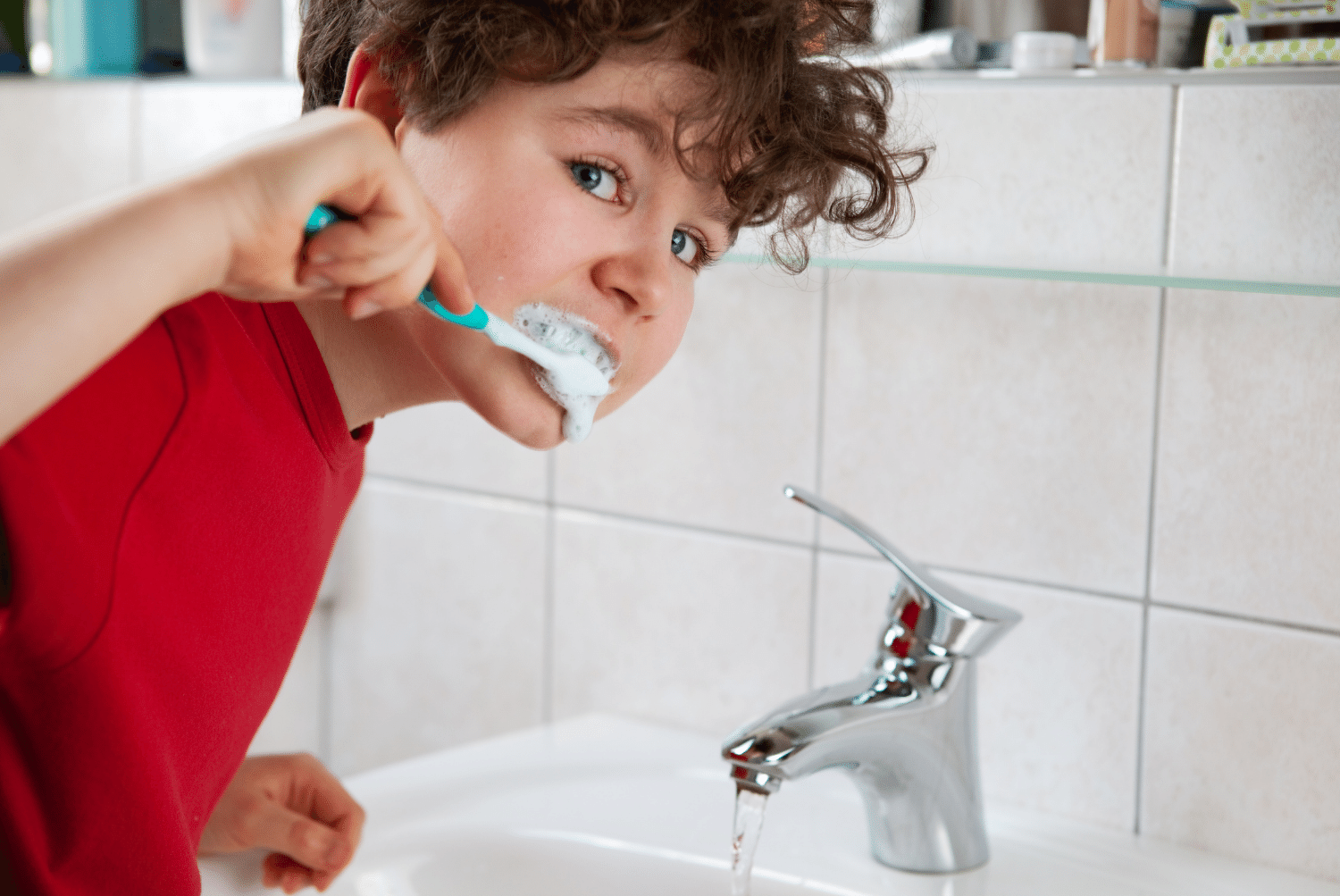
Brushing your teeth twice a day for at least two minutes is the first step to good dental hygiene. There are a few things to consider before brushing your teeth. Do you have the right toothbrush and toothpaste? Yes, these things do play a role in your oral health. It’s important to use the correct size toothbrush. Using a kid’s toothbrush as an adult wouldn’t do you any good. Dr. Boals says that you should be able to brush one to two teeth at a time. Don’t forget to switch out your toothbrush every 3 to 4 months. He also recommends finding a toothbrush that has soft bristles. You could irritate your gums if the bristles are too rough. Most family dentists in Colorado Springs recommends brushing your teeth with toothpaste that is ADA approved.

Dental Hygiene Tip: Floss Daily

Flossing should be done on a daily basis. Many dentists say that if you’re not flossing, you might as well not brush your teeth. That’s because 40% of your teeth are not properly cleaned and, as a result, cavities and tartar form. Over time, this will lead to gum disease and other dental problems. Avoid dental issues and floss at least once a day!

How to Floss: 

  1. Wrap about 18 inches of dental floss around two fingers, leaving about 1-2 inches of floss.
  2. Holding the floss with your thumb and index finger, insert the floss between two teeth.
  3. Gently move the floss up and down, rubbing it against both sides of each tooth. Try to avoid hitting your gums. 
  4. Once you’ve reached your gum line, curve the floss, and move it back and forth between one of the teeth.
  5. Move the floss to the next set of teeth, repeat the steps above until you’ve flossed between all your teeth.

Dental Hygiene Tip: Rinse With Mouthwash

Mouthwash can help you fight against bad breath, plaque, cavities, and yellow-teeth. Consider it as your secret weapon. When shopping around for mouthwash, you may be overwhelmed by how many different types are available. Try to find a mouthwash that will help you achieve your dental hygiene goals. Dr. Boals recommends using an ADA approved mouthwash that has some fluoride. Our friend Dr. Ben Kacos, a dentist in Shreveport, LA, points out that not every mouthwash is used the same way, so read the directions carefully.

Dental Hygiene Tip: Chew Sugar-Free Gum

Did you know that there are many benefits to chewing sugar-free gum after a meal? Patients are often surprised when they hear their hygienists recommend it. Sugar-free gum naturally helps produce more saliva in the mouth. Therefore, it washes away food particles and harmful bacteria. Those suffering from dry mouth can benefit from chewing sugar-free gum regularly. Some popular sugar-free gum brands are Orbit and Trident. 

Celebrate Dental Hygiene Month With Kissing Camels

As you can see, practicing good dental hygiene is very important. Implementing these habits every day will help you keep your smile happy and healthy for life. If you haven’t seen Dr. Boals for your routine check-up and cleaning, please contact our office. If you’re looking for a family dentist in West Colorado Springs, Manitou Springs, Centennial, or Fillmore, we’d be happy to see you! 


Editor’s note: This post was originally published in October 2020 and has been completely revamped and updated for accuracy and comprehensiveness.

Strengthen Your Smile With Porcelain Veneers

Strengthen Your Teeth With Porcelain Veneers - colorado springs

Strengthen Your Smile With Porcelain Veneers

Why You Should Strengthen Your Smile With Porcelain Veneers

When you hear about cosmetic dentistry, you often hear about the wonderful smile transformations. Patients can improve the appearance of their smile with so many different cosmetic dentistry options. Porcelain veneers are easily one of the most popular, and for a good reason. So, why porcelain veneers? Well, they offer so many benefits, and the patients can achieve their smile goals. Kissing Camels Family Dentistry is happy to help you decide which option is best for you. In this article, our Colorado Springs dentists share why you should strengthen your teeth with porcelain veneers

Porcelain Veneers

Patients love coming to our dental office in Colorado Springs because our veneers are porcelain. This not only strengthens your teeth but also gives you a cohesive-looking smile. You can choose the size, shape, and color of your veneers. Patients who have significantly stained front teeth, gaps, and chips in their teeth may be candidates for porcelain veneers. Porcelain veneers may also go on after root canals.

Root Canals

Patients who require root canals on their front teeth frequently experience dental damage. Trauma to the tooth raises the likelihood of a root problem in the future. Regrettably, dentists cannot foresee when a patient will require root canal therapy. Our dentists usually use dental crowns to replace teeth that have received root canal therapy, but front teeth are a little different. When a front tooth requires a root canal, the entire crown of the tooth does not need to be replaced. The downside with this method is that the enamel often fades away, leaving the tooth practically transparent. Enamel wears down to the point that the tooth chips or even breaks in patients who have undergone root canals on their front teeth. Additionally, patients who clench or grind their teeth are also more likely to damage their front teeth. Veneers are the most effective technique to restore function and attractiveness to your front teeth.

How Porcelain Veneers Work

Dr. Cody Boals and Dr. Alexa Johnson can complete your veneers in two simple appointments. To make the restoration fit naturally, they first prepare the teeth by removing a little piece of the enamel. They take impressions for the permanent restoration after they have prepared the teeth. The permanent veneers are subsequently applied by bonding the restorations to the teeth. Your new teeth will seamlessly blend in with your natural teeth. Our friend, Dr. Kacos, a dentist in Shreveport, LA, points out that porcelain veneers cannot stain. So, you can achieve a bright, beautiful smile for many years to come! 

Other Advantages of Porcelain Veneers

  • Stronger Teeth – The most significant advantage for patients with weak enamel is that veneers strengthen the teeth. You can avoid having damaged teeth when you choose to strengthen your teeth with porcelain veneers.
  • Veneers Are a Great Investment – Although veneers can be pricy, they last for a very long time. Veneers can last from 10-20 years, depending on if you take care of them. 

Contact Kissing Camels Family Dentistry

Dental veneers are a great way to enhance your smile. Call us now to learn more about our cosmetic dentistry options. You can also save time by completing our virtual dental consultation. We look forward to hearing from you soon!

When You Need to See An Emergency Dentist

When You Need to See An Emergency Dentist Colorado Springs

When You Need to See An Emergency Dentist

When You Need to See An Emergency Dentist in Colorado Springs 

So you’re sitting at home when you notice some soreness in your mouth. Maybe your tooth hurts, but you’re not sure if it’s a serious problem or just a little annoyance. How do you tell if you have a true dental emergency? Fortunately, your Colorado Springs dentist is aware of some common dental emergencies that you should be aware of. Continue reading to learn when to see an emergency dentist.


#1. Tooth Pain/Toothache

One of the most prevalent reasons for emergency dental appointments is a toothache. To relieve discomfort, rinse your mouth with warm salt water when you first notice pain. You can also try flossing around the affected area to see if it’s simply some annoying food debris. If the discomfort persists, however, you should see your emergency dentist in Colorado Springs as soon as possible.


#2 Broken Tooth

If you have a broken or fractured tooth, you should contact your dentist right away. To alleviate soreness, Dr. Cody Boals and Dr. Alexa Johnson recommend that you rinse your mouth with warm saltwater. You should also apply a cold compress to the side of your face to reduce swelling.


#3 Lost Crown or Filling

If you lose a crown or filling, you should see an emergency dentist in Colorado Springs right away. These dental restorations protect your natural tooth against pain and infection. Our friend Dr. Dave Moghadam, an emergency dentist in Easton, PA, agrees that if you lose this protection, you may experience a great deal of pain and agony. As a result, if this happens, you should contact your dentist right soon.


#4. Infection or Abscess

An abscessed tooth can be excruciatingly painful. Contact your dentist straight away if you discover a pimple-like bump in your mouth. The sooner you receive treatment, the less likely it is that you will have to deal with some of the issues that abscesses can cause.


#5 Bleeding Gums 

While bleeding gums may not appear to be a major issue, they are frequently a warning indication of more serious diseases such as gum disease or oral cancer. If you discover that your gums are bleeding, contact Kissing Camels Family Dentistry to schedule your next visit.


#6 Exposed Nerves

Are your teeth more sensitive to cold or hot temperatures? This could be due to poor tooth enamel. When your enamel is removed, nerve endings are exposed, producing pain and sensitivity. If you are in excruciating pain, you should see an emergency dentist. Until then, you can protect the affected region with sugarless gum.


Now that you know more about some of the situations that necessitate emergency dental appointments, follow these guidelines to deal with some of the most prevalent dental disasters.


Contact Dentist in Colorado Springs

Dr. Cody Boals and Dr. Johnson’s office provide high-quality dental care for the Colorado Springs community. Please don’t hesitate to contact our dental office for an emergency dental appointment. Our Kissing Camels team will get your oral health back on track!

Invisalign vs. Braces

Invisalign vs. Braces - Colorado Springs Co

Invisalign vs. Braces

Comparing Invisalign vs. Braces in Colorado Springs

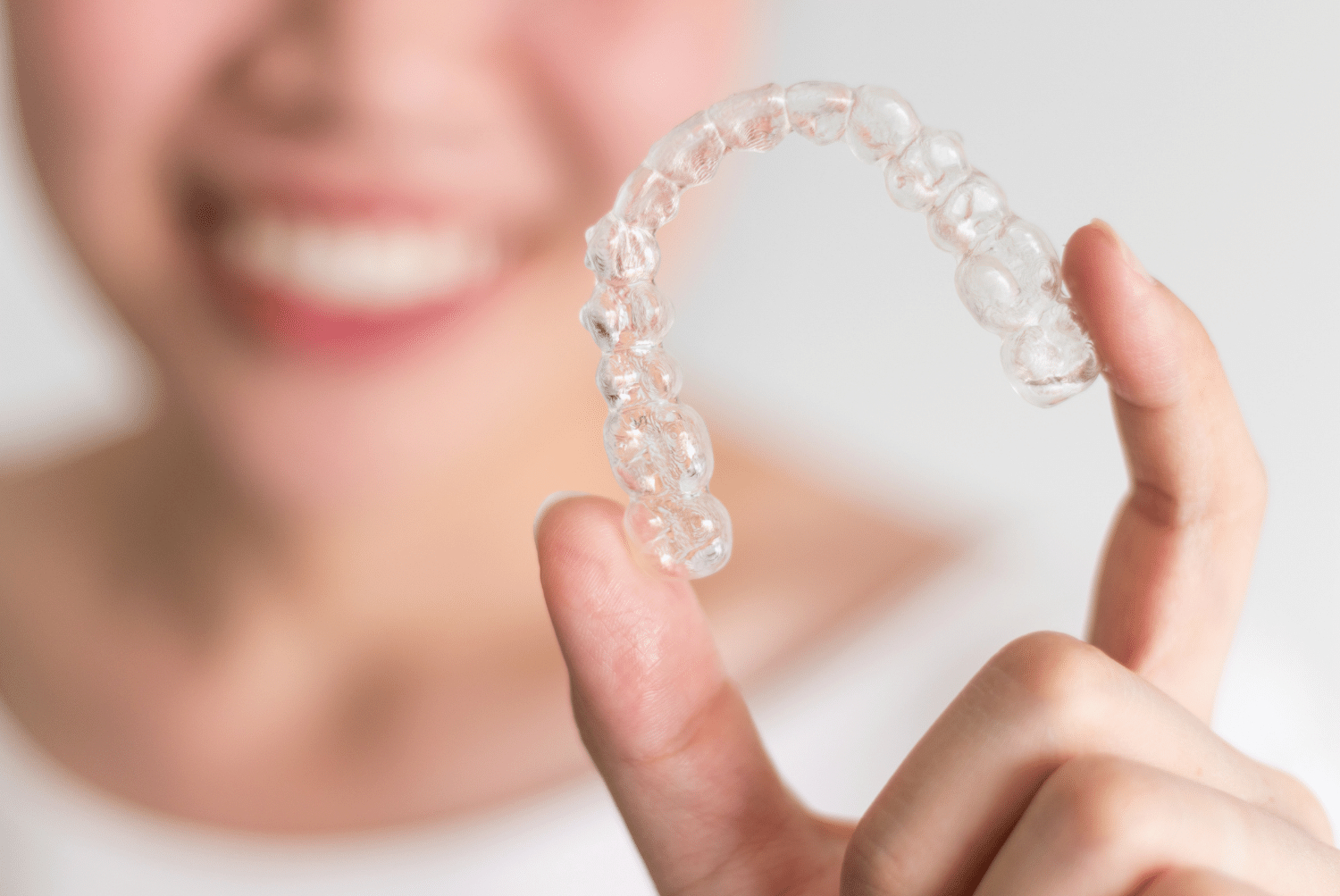
For many years, traditional metal braces have been used to correct teeth. However, Invisalign clear aligners have become very popular. Invisalign aligners are more expensive than traditional braces, but because they provide key benefits, traditional braces do not offer. Our Colorado Springs dentists offer Invisalign or Clear Correct aligners at our dental office. In this article, we compare the pros and cons of Invisalign vs. braces.

Invisalign vs. Braces: Which is Better?

Many people who are considering orthodontic treatment wonder if Invisalign works as well as traditional braces. Invisalign has been successfully straightening smiles for over 20 years. As more advanced dental technology continues to come out, Kissing Camels Family Dentistry can solve about 95% of dental problems just by using Invisalign. As we mentioned before, traditional braces are the more affordable option. Additionally, our friend Dr. Beth Herko, a dentist in New Providence, NJ, points out that some patients are not the right candidate for Invisalign or braces. You can always set up a virtual dental consultation with one of our doctors. We will help you decide which treatment is best for you. 

Advantages of Invisalign

At Kissing Camels Family Dentistry, the benefits of Invisalign outweigh those of traditional braces. Some of these advantages include:

  • Subtle treatment. 
  • No brackets or wires are needed.
  • Easily removable for eating, drinking, and brushing teeth.
  • There are no dietary restrictions during therapy.
  • Custom aligners are more comfortable.

Brace Advantages

  • Fixes all dental imperfections
  • There are several to pick from, including lingual and ceramic.
  • Customization for brackets and bands.

Cons of Invisalign

  • Invisalign transparent aligners are a commitment. Patients must wear their aligners for 22 hours a day until treatment is over.
  • If aligners are not properly cared for, they can be lost.
  • Only approximately 5% of severe cases can be treated (but can correct more than 95 percent )

Braces Drawbacks

  • When speaking, smiling, or taking photographs, braces are very evident.
  • Brushing and flossing properly is tough, which can result in stains and other oral hygiene difficulties.
  • There are a variety of food restrictions, including popular snacks such as popcorn, chewing gum, and hard candies.
  • Require frequent visits to the dentist
  • Broken brackets and other mishaps necessitate further orthodontist visits.
  • Furthermore, patients may cut their mouths on their brackets when doing activities.

Contact Kissing Camels Family Dentistry 

So, which option is for me? Invisalign vs. Braces. Ultimately, Invisalign and traditional braces both offer so many benefits. Since every smile is different, one treatment might be better than the other. If you’d like to have the perfect smile, contact Kissing Camels Family Dentistry in Colorado Springs, CO. Our team is happy to see you for an Invisalign consultation. Contact us today!


Celebrate National Gum Care Month

gum care month - colorado spring, co

Celebrating Gum Care Month


Celebrating Gum Care Month with Colorado Springs Dentists

Preventative dentistry is a priority for us at Kissing Camels Family Dentistry. Our Colorado Springs dentists always encourage our patients to practice good oral health habits. In honor of September being National Gum Care Month, we are sharing a few ways you can improve your gum health. 

About Gum Disease

Gum disease, also known as periodontal disease, is a long-term infection of your gums. Without treatment early on, it causes loss of gum tissue, underlying bone, and, eventually, tooth loss. By the age of 45, more than 80% of Americans have some kind of gum disease. Fortunately, gum disease can easily be prevented. 

Early Signs of Gum Disease

Gum disease can go without being noticed in the early stages, which is why it’s important to take care of your teeth daily. Some of the early signs of gum disease include: 

  • Swollen/red gums
  • Sensitivity to hot/cold drinks or foods
  • Receding gums
  • Bleeding when brushing or flossing teeth
  • Shifts in your smile

How to Care For Your Mouth & Avoid Gum Disease

  • Brush your teeth twice a day using fluoride toothpaste. Sticky plaque constantly forms on the teeth, and if left there, it quickly hardens into tartar. This is a hard substance that can only be removed by your hygienist. Plaque and tartar can contribute to gum disease.
  • Floss on a regular basis. In this case, regularly should be understood as “every day.” Brushing your teeth removes plaque, but only floss can clean in between teeth.
  • To remove tiny particles and minimize plaque, our friend Dr. Dave Moghadam, a dentist in Easton, PA, recommends using mouthwash. Mouthwash does not replace brushing and flossing, but when used in conjunction with other healthy practices, it can help to freshen breath, eradicate bacteria, and keep teeth strong.
  • Consume a well-balanced diet. A nutritious, balanced diet high in vitamins and nutrients and low in sugar will help your immune system fight off harmful bacteria, inflammation, and illness. Remember to eat your greens if you want to keep your teeth white!
  • Every six months, visit your dentist in Colorado Springs, CO, for a thorough cleaning. Dr. Boals or Dr. Johnson can also examine your teeth and gums and recommend you to a periodontist if you have any concerns. It is critical to treat gum disease as soon as possible. If left untreated, it can ruin teeth, gums, bones, and connective tissue, as well as contribute to a number of health issues. So, plan an appointment with your dentist at least twice a year.

Dangers of Plaque

Plaque is the most common cause of gum disease. Furthermore, the bacteria in plaque create toxins or poisons that irritate the gums. They may cause them to enlarge, grow red, and bleed easily. Plaque can also solidify into calculus – or tartar — a harsh, porous substance. This can happen above or below the gum line. Periodontal disease degrades the supporting gum tissue and bone that hold teeth in place. Ultimately, it leads to permanent bone and tooth loss. 

Contact Dentist in Colorado Springs, CO

Kissing Camels Family Dentistry is happy to help you improve your oral health. One of the best things you can do is schedule a professional cleaning and exam. Catching gum disease early on will ensure that your teeth are happy and healthy. Schedule your appointment today! 

Temporary Crown Post-Op Instructions

temporary crown post-op instructions - Colorado Springs CO

Temporary Crown Post-Op Instructions

Temporary Crown Post-Op Instructions From Colorado Springs Dentist

Need a dental crown? Your dentist in Colorado Springs, CO, will need to put a temporary crown on first until your custom, permanent crown is made. Below, Dr. Cody Boals shares temporary crown post-op instructions. 

Temporary Crowns Must-Knows

So, if you have a temporary crown on right now, know that it’s there to protect your tooth until your permanent crown is ready. There is a possibility for your temporary to come off, so we are giving you a few tips and tricks to stop your temporary crown from coming off.  Watch our YouTube video to hear from Dr. Cody Boals. 

Brushing and Flossing

Dr. Boals recommends brushing normally around that area. But when you floss, go towards the gum line instead of coming back up or coming down – pull it right through. This will prevent the crown from popping up when you’re flossing. 

Broken Temporary Crown

So another thing that can happen is that temporary can crack. The temporary crown is made of acrylic, not the hard material your permanent crown is made out of. So, if it does crack, if it does pop off, if you’re eating sticky foods, or it just pops off, just give us a call. Don’t freak out. It’s not an emergency, but we’ll get you in right away to get that area cover back up and protected. So, wait on hard or sticky foods until we have the permanent crown on. If your permanent crown does fall off, contact an emergency dentist in Colorado Springs.

Permanent Dental Crown

Your temporary crown placement will get fitted in about two weeks from your first visit. Please don’t hesitate to contact Kissing Camels Family Dentistry if you have any questions or concerns about your temporary crown post-op instructions.