3470 Centennial Blvd, Suite 200
Colorado Springs, CO 80907
Se habla español

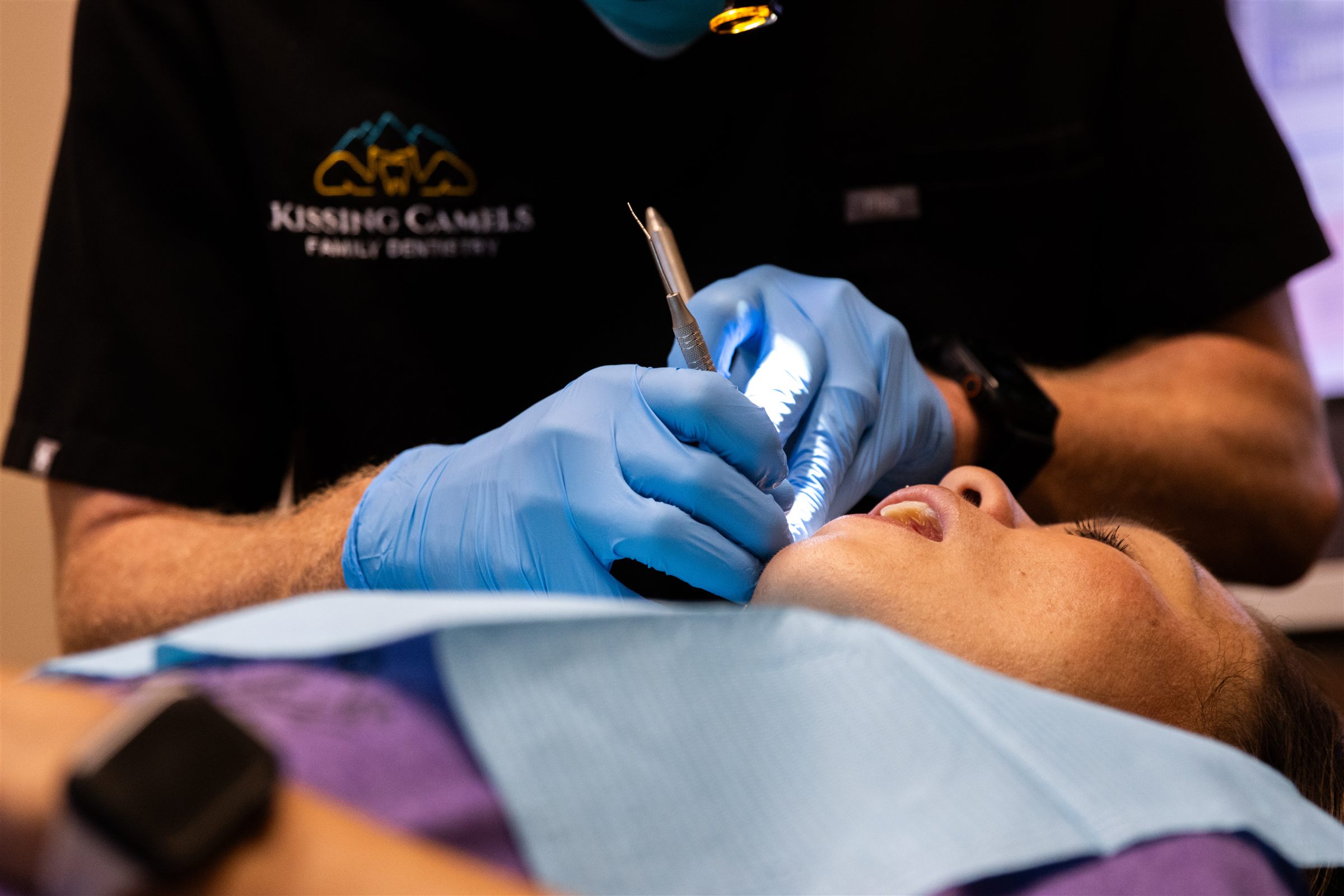
Many of the urgent calls we receive are about tooth infections. An abscess should never be ignored, because it can harm your mouth and eventually your general health. Learning to spot the early signals gives you the best chance of getting help before things get worse.
An abscess is a pocket of pus caused by bacteria, and it brings pain and swelling along with it. Most of the time it develops at the root of the tooth, the area that holds blood vessels, nerves, and connective tissue. Now and then, one shows up in the space between the gum and the tooth instead.
Advanced decay or damage lies behind most abscesses. A cavity that was never treated is a common starting point. So is a tooth that chipped or cracked and then became infected, or enamel that has worn thin enough for bacteria to slip inside. Gum disease that has gone unchecked for a long stretch, particularly the advanced form called periodontitis, can produce an abscess too. If the infection is not treated, it may spread into nearby bone, lead to the loss of the tooth, or travel to other parts of the body.
Suspect an abscess? Contact an emergency dentist in Colorado Springs promptly so the infection has less chance to spread. Watch for these symptoms:
Every case is a little different. Dr. Cody Boals or Dr. Alexa Johnson may suggest one treatment or several used together.
Letting the pus out is frequently the most helpful step. Your dentist may create a small opening for it to escape, clear away damaged tissue, and flush the area with a saline solution.
Sometimes draining the abscess cannot happen right away. An active infection can weaken the effect of numbing medicine, and severely infected lower molars are notoriously hard to numb. When that is the case, your dentist may start with antibiotics to bring the infection down so anesthetic can work as it should. Antibiotics are prescribed only after an exam.
During a root canal, the infected center of the tooth is cleaned out, which helps resolve the abscess and lets you keep your natural tooth. Once the area has healed, a crown is typically placed to reinforce the tooth and help it last.
Occasionally a tooth is too damaged to keep. Removing it allows the abscess to drain and gives the surrounding tissue room to heal.
It is. An abscess calls for quick attention, since an untreated infection may move through the body and become a real danger. If you notice swelling that makes it hard to breathe or swallow, go to an emergency medical facility right away.
Do not sit on any of these symptoms. Let us know as soon as possible, and our team will work to see patients with infections quickly, sometimes even outside our usual hours. Plenty of the people we treat in an emergency are new to us, and we make them feel welcome. If you are in pain or worried about an infection, contact Kissing Camels Family Dentistry and we will help you figure out the next step.