3470 Centennial Blvd, Suite 200
Colorado Springs, CO 80907
Se habla español

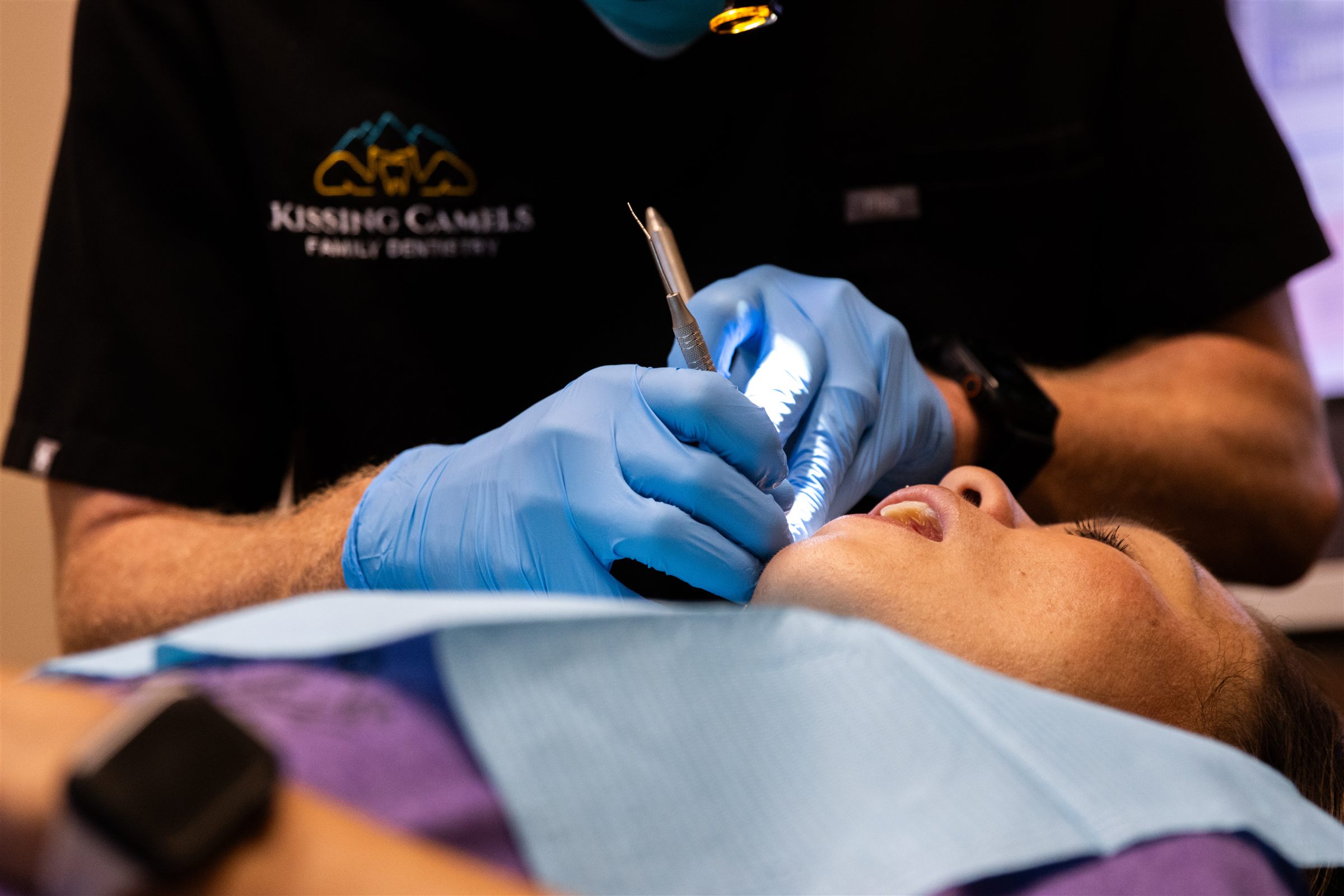
Congratulations on deciding to refresh your smile with veneers. Once the appointment is over, one of the first things patients ask is when they can enjoy a meal again. At Kissing Camels Family Dentistry in Colorado Springs, we want you to feel sure about what to do after treatment, so this post covers timing, foods to be careful with, and habits that help your veneers last.
Veneers are slim, custom-made coverings that sit on the front of your teeth. They are crafted from ceramic or resin in a tooth-like shade and are used to address chips, stains, cracks, worn edges, and small spaces between teeth. To make room for them, the dentist usually shapes a small amount of the tooth surface, and then each veneer is attached with a strong bonding material. The result is a smoother, more balanced smile that still looks like your own. If you are wondering whether veneers could work for you, an exam is the best way to find out.
Your veneers are strong, but they are not indestructible. Excess force can chip or crack them, so a little caution goes a long way. Skip very hard foods such as ice, nuts, and hard candy, and stay away from sticky treats like caramel and taffy that can pull at the bond. Softer options are easier on your new smile, including cooked vegetables, ripe fruit, eggs, fish, and tender chicken. Right after your appointment, follow the specific instructions your dentist gives you, since timing can depend on the type of veneer and how it was placed. Keep brushing and flossing gently so your gums and teeth stay healthy.
You do not need to overhaul your diet, but some choices deserve care. Chewy and sticky foods can tug at veneers or loosen them. Very crunchy foods, such as popcorn kernels or biting straight into a whole apple, put pressure on the edges, so cut hard fruit into slices instead. Highly acidic items, such as citrus and fizzy drinks, can wear down the enamel around your veneers over time, which may leave the edges more exposed. Dark drinks like coffee, tea, and red wine can stain natural teeth around your veneers, so rinse with water afterward and enjoy them in moderation.
Most patients settle back into their usual meals fairly quickly, but the exact timeline varies. Numbness from the local anesthetic can last a few hours, and eating while you are numb makes it easy to bite your cheek or tongue, so wait until the feeling returns. Some people notice tenderness or sensitivity for a short time, and that is often a reason to stick with soft foods at first. If you were given temporary veneers while your permanent set was being made, be especially gentle, because those are not as strong. Your dentist will tell you what to expect for your case. If something feels off, or your bite seems uneven, please call us instead of waiting.
A few simple habits make a big difference. Do not use your teeth as tools to open bottles, tear tags, or hold objects. Avoid chewing on pens, fingernails, or ice. If you play sports or do activities that risk a blow to the face, wear a mouthguard, and if you grind your teeth while asleep, ask us about a night guard. Maintain a steady routine of brushing twice a day, flossing, and seeing your dentist for regular cleanings and exams so any small issue can be caught early.
What you eat affects your veneers indirectly by affecting the teeth beneath and around them. A varied diet with plenty of vegetables, fruits, dairy, and lean proteins supports strong teeth and healthy gums. Frequent sugary snacks and sodas feed the bacteria that cause decay, and decay around a veneer can threaten the whole restoration. Drinking water through the day helps rinse away food and keeps your mouth comfortable. Small choices at mealtime protect the investment you made in your smile.
Veneers can be a wonderful solution for stained, chipped, or uneven teeth, and the care you give them afterward is a lifelong habit. If you have questions about eating after treatment, or you would like to explore veneers for yourself, contact Kissing Camels Family Dentistry to schedule a visit with our team.