3470 Centennial Blvd, Suite 200
Colorado Springs, CO 80907
Se habla español

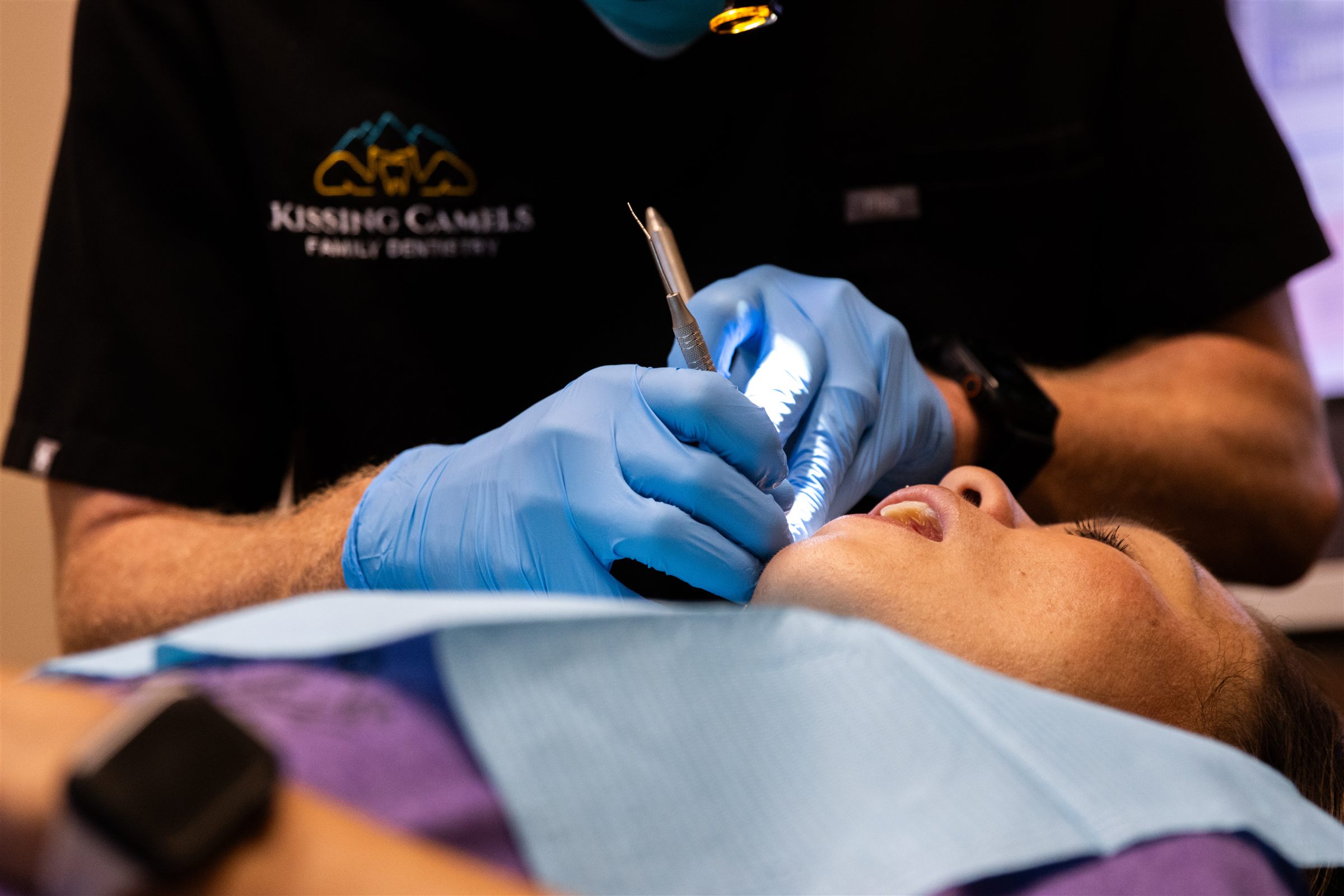
When the soft center of a tooth, called the pulp, becomes infected or injured, a root canal is often the way to keep the tooth instead of losing it. The dentist removes the damaged pulp, cleans the inside of the tooth, and seals it so that bacteria have no way back in. Most of the time the treatment works well, and steady brushing, flossing, and regular checkups help the result endure. If a root canal has been suggested for you, ask questions and go over the alternatives so that you are comfortable with your decision.
We begin by numbing the tooth and the tissue around it with local anesthetic. Once you are comfortable, the dentist makes a small access opening to reach the pulp. Inflamed or infected material is taken out, and the canals inside the root are cleaned and shaped. After that, the space is filled and closed off. To give the tooth lasting protection, a filling or crown is usually placed on top. Some cases are best handled by a specialist, and we will tell you if yours is one of them. Remember that the goal is to relieve the pain you already have. If anything worries you, please say so before we start.
Expect the tooth and the gum next to it to feel tender for a little while. That soreness generally reflects the work that was done, rather than a leftover infection, and a pain reliever from the drugstore often takes care of it. Many people are back to their normal meals within a few days, although healing speed differs from person to person. Should the discomfort persist or grow stronger, or if swelling appears, book a follow-up with Dr. Boals so we can examine the tooth.
Our office looks after patients of every age, offering everything from routine cleanings and exams to more involved treatment. Since a healthy mouth is tied to a healthy body, we want to help you protect your smile. If a tooth has been hurting, or you suspect you may need a root canal, get in touch and we will find a time to see you.