3470 Centennial Blvd, Suite 200
Colorado Springs, CO 80907
Se habla español

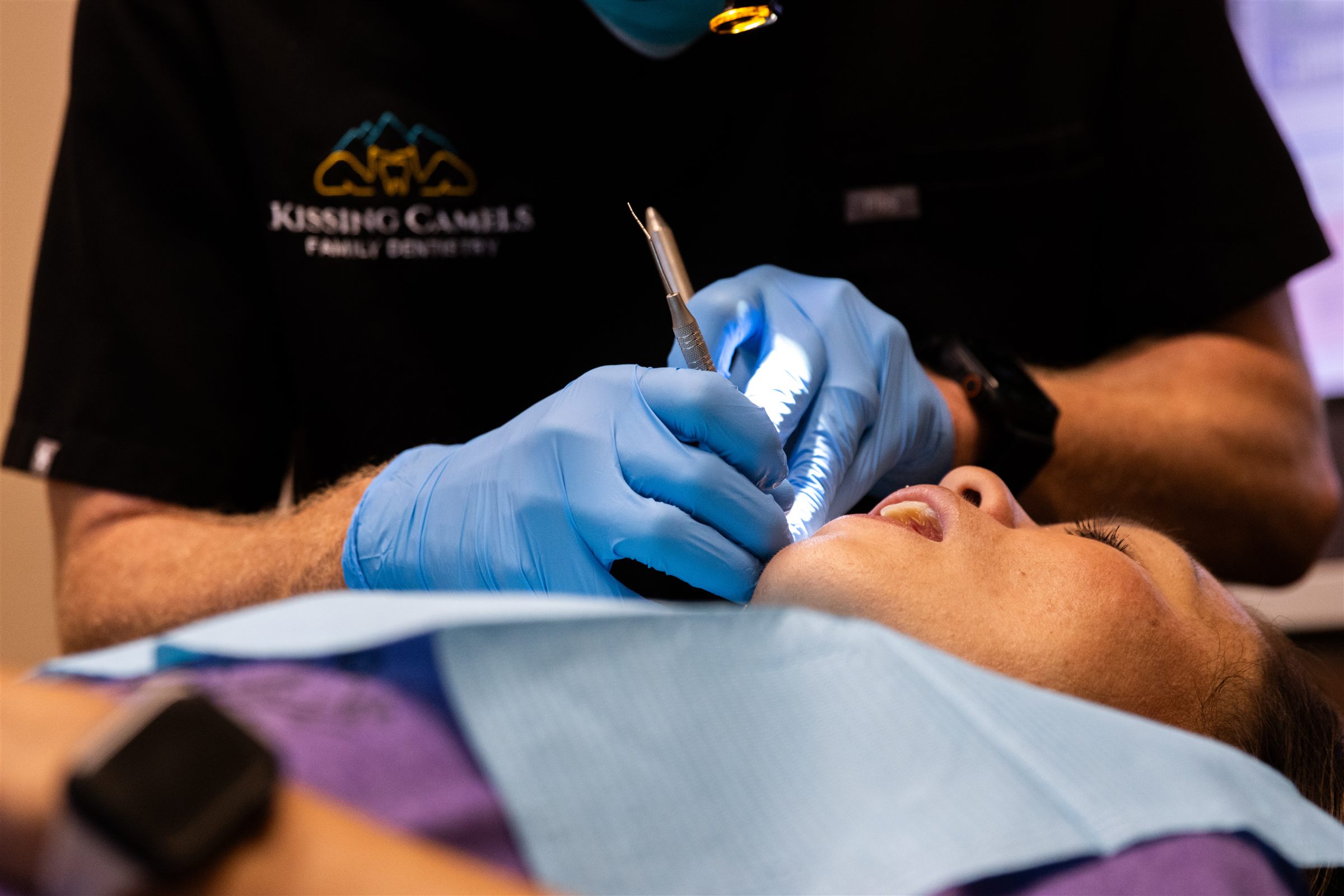
A throbbing toothache, puffiness in the gum or jaw, or a tooth that has changed color could all point to an infection. Inside every tooth is a bundle of nerve and blood vessel tissue called the pulp. When bacteria reach it, the pulp becomes infected. Without treatment, an abscess can form and the tooth continues to break down. Our team explains what to look for.
An infection starts when bacteria get into the root or pulp of a tooth. The usual causes are cavities that were never filled and inconsistent oral hygiene, so many infections can be prevented. Untreated, an infected tooth can affect your overall health. Depending on the situation, Dr. Boals may recommend a root canal to save the tooth.
Knowing the signs helps you get care quickly.
A common early sign is pain while eating or drinking. As the infection develops at the tip of the root, it can reach the gum and surrounding bone. The pain can throb and may not respond well to over-the-counter medication, which can mean the infection has advanced. An abscess often makes the pain more intense. Other signs include:
Options depend on how severe the infection is. If the tooth can still be saved, a root canal removes the infected tissue from inside it, and we take steps to keep you comfortable. When a tooth is too damaged, extraction may be the best way to clear the infection and keep it from returning. In some cases, medication may also be part of the plan. Dr. Boals will decide after an exam.
If your tooth hurts, do not wait. An infected or abscessed tooth will not heal without treatment, and the infection can spread beyond the mouth. Dr. Boals will perform a complete evaluation and outline the right course of action. Contact Kissing Camels Family Dentistry as soon as you notice symptoms so we can get you relief.