3470 Centennial Blvd, Suite 200
Colorado Springs, CO 80907
Se habla español

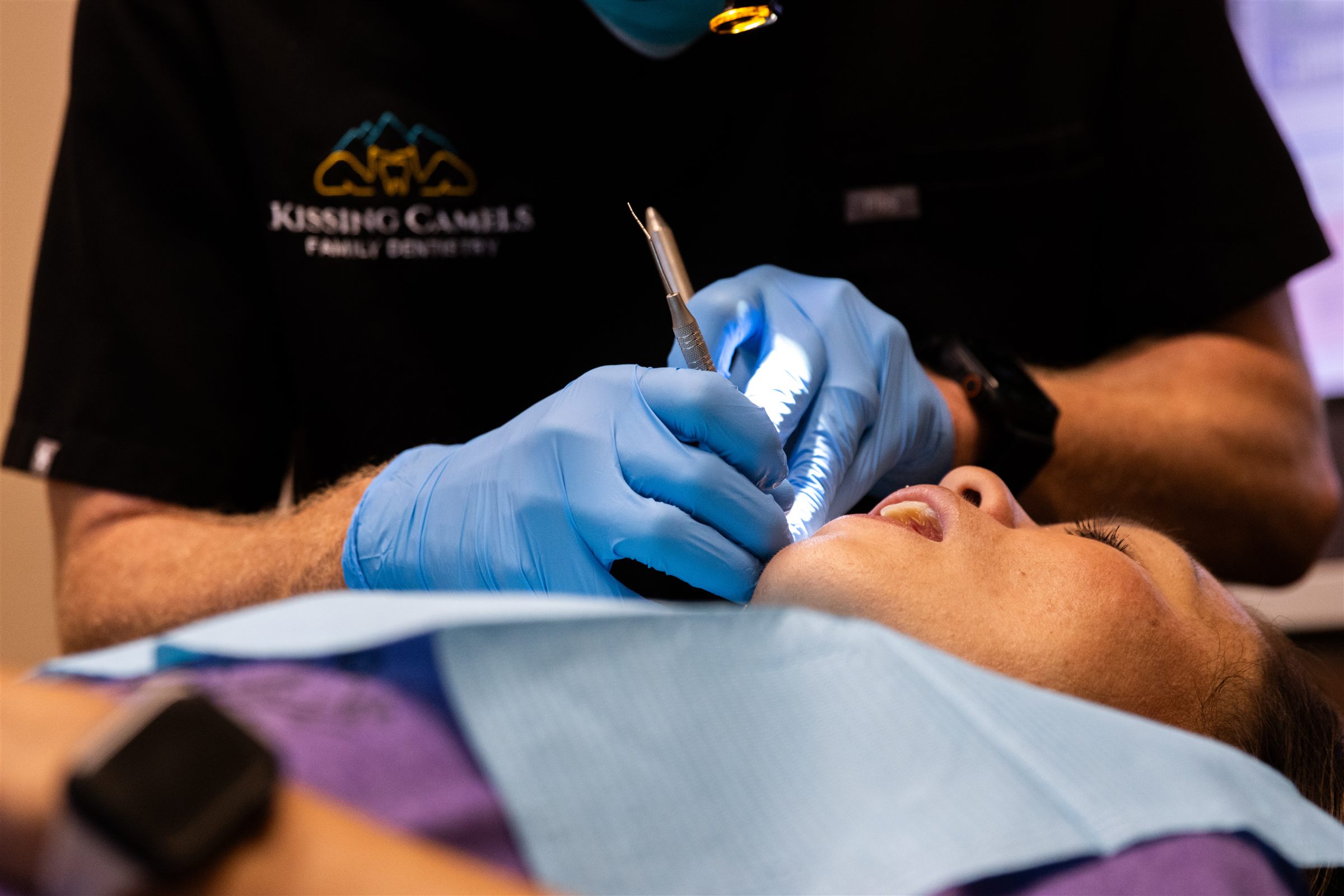
Few dental problems are as miserable as an impacted wisdom tooth, and there is no habit or product that keeps wisdom teeth from developing. Sooner or later, most people end up discussing removal with a dentist. These third molars sit in the far back corners of the mouth. If the jaw is too small to let them come in properly, they get trapped, or impacted. Taking care of them before they cause trouble is usually the smarter path. Dr. Boals shares what to look for.
Wisdom teeth are the final adult teeth to show up, typically as a person moves out of the teen years and into early adulthood. Most people are born with four, a pair on the top and a pair on the bottom. An impacted tooth can cause aching and can injure the teeth beside it. Some do not announce themselves at all in the beginning. Even so, they are difficult to reach with a brush and floss, which makes them more likely to develop decay and gum disease than the rest of your teeth.
When an impacted wisdom tooth causes pain or leads to other problems, removal is the usual answer. Certain dentists and oral surgeons also advise taking out impacted teeth that feel perfectly fine, in order to head off complications later.
You might have no symptoms for a long time. Once an impacted tooth becomes infected or starts pressing on its neighbors, though, these signs may appear:
Notice any of these near your last molar? Give our office a call so we can take a look.
Lack of space is the main reason. A fortunate few have plenty of room, and their third molars settle in right behind the second molars without a fuss. For many others, the jaw is simply too crowded, and the tooth ends up stuck.
A tooth that breaks partway through the gum is called partially impacted, while one that stays hidden below the gum line is called fully impacted. Either type may take one of several positions:
Leaving an impacted wisdom tooth in place can bring on a number of complications:
Wisdom teeth will come in no matter what, but you can choose to have them taken out before they cause harm. We start with X-rays and then map out a plan just for you. If the idea makes you nervous, ask our team which sedation options are available. Contact Kissing Camels Family Dentistry to arrange an evaluation, and we will walk you through each step.