3470 Centennial Blvd, Suite 200
Colorado Springs, CO 80907
Se habla español

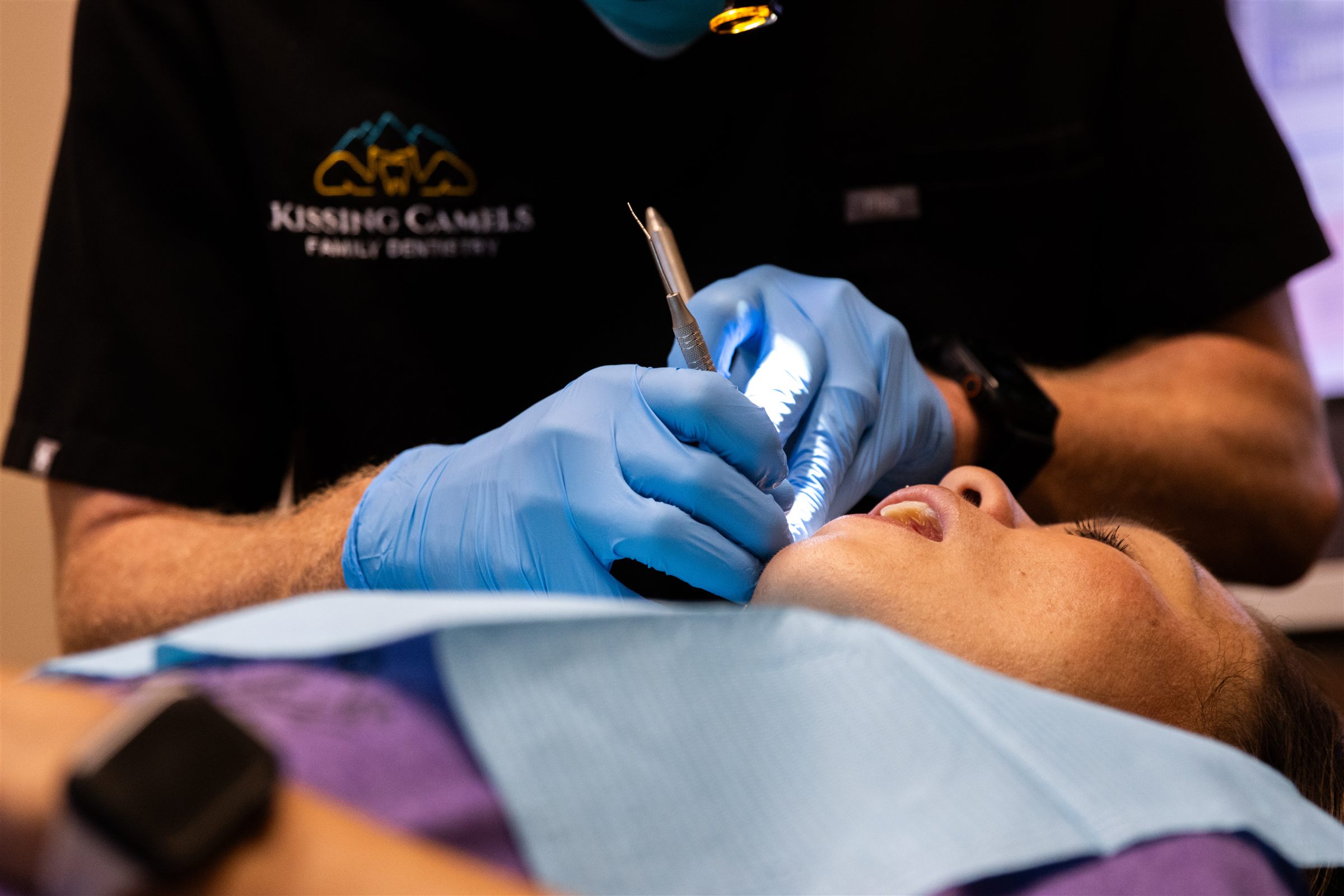
Our goal is always to help you keep your natural teeth, so we look at gentler treatments first. Still, there are times when removing a tooth is the healthiest choice. Here is when that may happen and what the process looks like.
Extraction may be recommended for several reasons. A tooth that has been badly damaged by injury or decay may be too compromised for a filling, crown, or other repair. Crowding can also play a role, because sometimes teeth must be removed to create room so orthodontic treatment can succeed. Advanced gum disease is another cause. When the bone around a tooth has been lost and the tooth has become loose, keeping it may no longer be possible.
If removal is the right step, we numb the area with local anesthetic so you stay comfortable. Once the numbness sets in, we carefully loosen the tooth and lift it from its socket. You may feel pressure, but you should not feel pain. Some teeth require a bit more work than others, and we will explain what to expect for yours before we start. Afterward, most people have only mild soreness when they follow our instructions.
Recovery goes best when you follow your written directions closely. A blood clot forms in the empty socket and protects the area while it heals. If it is dislodged, a painful problem called dry socket can develop. To protect the clot, avoid drinking through straws and stay away from hard or chewy foods until we tell you the site has healed. Keep the area clean as instructed, and call us if pain grows worse or you notice signs of infection.
Extraction is a last resort for us, but when it is needed we will guide you carefully through each step. If you are wondering whether a tooth can be saved, contact Kissing Camels Family Dentistry to schedule an evaluation.