3470 Centennial Blvd, Suite 200
Colorado Springs, CO 80907
Se habla español

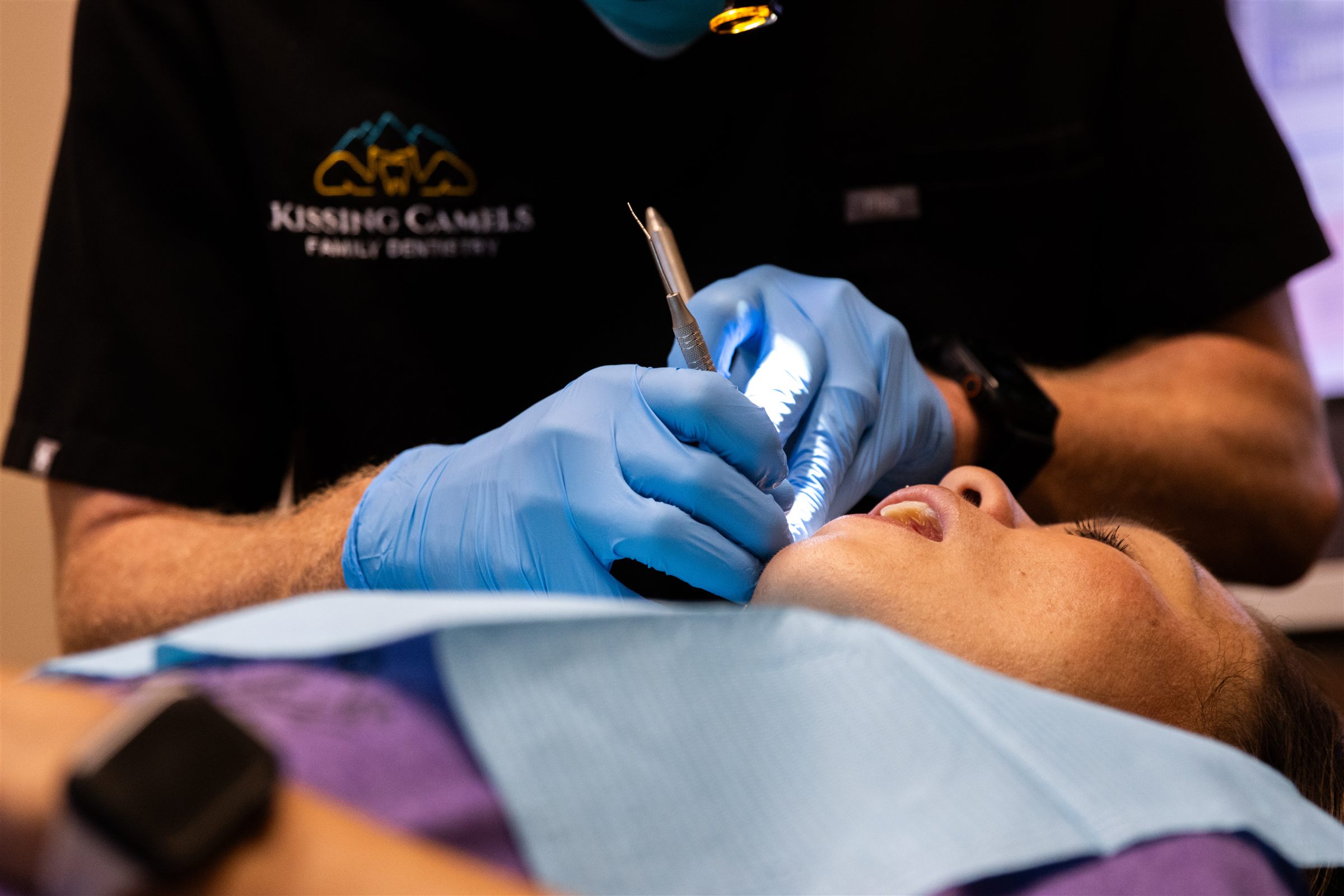
Tooth decay is among the most common dental problems. Without good oral hygiene, cavities can grow deeper and eventually lead to infection. If you are dealing with severe tooth pain, please see an emergency dentist promptly. Depending on the tooth, the recommendation will usually be either a root canal or an extraction. Dr. Cody Boals and Dr. Alexa Johnson always try to save natural teeth first, and they only suggest removal when a tooth cannot be repaired. Here is how the two options compare.
Pulling an infected tooth can seem like the simplest fix, but it is permanent. Most dentists prefer other options when a tooth can be saved. We will go over the advantages and drawbacks of each treatment with you so you can decide with confidence. If you have never had a tooth pulled, here is what to expect.
We can use sleep dentistry options during an extraction to keep you comfortable, and our goal is a pain-free experience. Most extractions can be completed in one visit unless the situation is more complex. Some soreness afterward is normal, as Dr. Boals explains.
Sometimes removal is unavoidable. Even so, it can create new problems. The empty space can collect bacteria and food debris, which may raise the risk of decay or infection in nearby teeth.
A missing tooth also affects the teeth around it. Neighbors can drift, loosen, or become crowded, changing how your teeth line up and bite together. One lost tooth can set off a chain reaction. Talk with your Colorado Springs dentist about what they recommend, and feel free to get more than one opinion. To save you a trip, we also offer virtual consultations, so you can hear what our team suggests.
Root canal therapy cleans and repairs a diseased tooth so that it does not need to be pulled. Because the natural tooth stays in place, there are typically fewer long-term consequences than with removal.
Root canals are often misunderstood. People assume the treatment hurts, but the infection is what causes the pain, and once the inside of the tooth is treated the pain goes away. If a decayed tooth can still be repaired, your dentist will likely recommend this approach.
We start with x-rays to see how far the infection has spread and how many teeth are involved. During treatment, a protective barrier is placed around the area to keep infection from spreading. The dentist makes a small opening in the tooth, removes the infected pulp and any dead tissue, and then fills and seals the tooth. A filling or crown restores full function. Your dentist may recommend medication for comfort or infection control afterward.
Like any procedure, results depend on skill and technique. If the treatment is not done well, the tooth can be damaged or problems can return. That is why it is important to see an experienced provider.
For many teeth, a root canal is the preferred route. In severe cases, though, extraction may be the only choice. Each has pros and cons, and the best answer depends on your dental history and the condition of the tooth. If you suspect decay, contact Kissing Camels Family Dentistry. We will examine your tooth and recommend a plan that fits your smile.