3470 Centennial Blvd, Suite 200
Colorado Springs, CO 80907
Se habla español


Dental visits can trigger worry for a lot of people, from mild nerves to an all‑out phobia. If anxiety has kept you from routine checkups or has made dental care feel unmanageable, the office of Kissing Camels Family Dentistry offers approaches designed to make treatment calm, dignified, and efficient. Our goal is to remove the emotional barriers that prevent patients from getting the care they need while keeping safety and comfort front and center.
Sedation dentistry isn't about putting you to sleep for convenience; it's about choosing the right level of relaxation so you can receive quality treatment without dread. Whether you're facing a major restorative procedure or simply need help getting through a cleaning, sedation can make dental care accessible and less stressful for many patients.
Sedation alters the way you experience a dental appointment rather than the clinical steps themselves. Under careful supervision, sedation reduces the emotional and sensory intensity around treatment: sounds seem less sharp, time feels compressed, and worry fades into the background. This allows patients to stay composed during procedures they would otherwise avoid.
Most sedation methods are combined with local anesthesia so you do not feel pain in the specific area being treated. The sedation addresses anxiety and awareness, while local anesthetic provides the numbing needed for precise work. Together they make it possible to complete more in one visit when appropriate, reducing the need for multiple stressful appointments.
Because safety is paramount, sedation is matched to the patient's medical history, current medications, and the complexity of the dental work. During treatment a trained clinical team continually monitors breathing, circulation, and responsiveness, ready to adjust levels or intervene if necessary. This careful oversight is a key reason many patients find sedation both comforting and trustworthy.

Sedation is appropriate for a wide range of patients. Those with a clinical diagnosis of dental phobia, people who experience panic at the thought of dental work, and individuals with strong gag reflexes often find sedation transforms an impossible visit into a successful one. It also helps patients who are very sensitive to sights, sounds, or the sensations of treatment.
Patients facing lengthy or complex restoration (such as multiple crowns, implants, or full‑mouth procedures) may prefer sedation so treatment can be completed in fewer appointments without repeated stress. Similarly, young patients with special needs, individuals with mobility or cognitive limitations, and those with certain medical or physical conditions can all be better served when sedation makes safe, effective care possible.
Choosing sedation is a collaborative decision between you and the dental team. We weigh the expected benefits against any medical considerations and recommend the least‑intensive method that will reliably keep you comfortable. When the right match is made, patients leave feeling relieved and more confident about returning for regular care.

Sedation in dentistry spans a spectrum, from light relaxation to deeper, closely monitored states. The method chosen depends on anxiety level, procedural complexity, and medical background. Your dentist will explain the options and recommend what will deliver a comfortable, controlled experience for your specific needs.
Most dental sedation provided in an office is a form of conscious sedation: you remain breathing on your own and can respond to verbal cues, but you feel profoundly relaxed and have a reduced memory of the procedure. By contrast, general anesthesia, a medically induced, reversible coma, is reserved for care that cannot safely be done under conscious sedation and is typically administered in a hospital setting by an anesthesiologist.
When a patient and clinician determine that conscious sedation is appropriate, there are several well‑established delivery methods. Each offers different levels of depth and predictability, and each has its own preparation and monitoring requirements. Below are the most frequently used approaches in dental practices.
Nitrous oxide (often called "laughing gas") is inhaled through a small nasal mask and provides mild to moderate relaxation. It works rapidly, and its effects dissipate within minutes after the gas is stopped, permitting a quick recovery with minimal aftereffects. Nitrous oxide is ideal for patients who need a short‑term anxiety reduction or who wish to remain alert enough to drive home afterward.
Oral sedation involves a prescription medication taken before the appointment to produce a calmer state. The degree of drowsiness varies with the drug and dosage; most patients feel deeply relaxed and may have limited recollection of the visit. Because oral sedatives have lingering effects, patients must arrange for someone to drive them to and from the appointment and stay with them until the medication wears off.
Intravenous (IV) sedation delivers medication directly into the bloodstream for quick, controllable effects. It is useful when a more substantial degree of sedation is desirable while still maintaining a monitored, responsive state. IV sedation requires specific medical assessment and monitoring during treatment, and patients will need a companion to escort them home and remain nearby after the procedure.
Preparation varies by the sedation type. For inhalation sedation no special fasting is typically required, while oral and IV sedatives often require you to avoid food and certain medications beforehand. Your dental team will provide clear pre‑appointment instructions tailored to your chosen method and medical history.
On the day of treatment a staff member will review your health history, current medications, and any allergies to make sure the sedation plan is safe and effective. Monitoring equipment will be in place before the procedure begins, and a trained clinician will watch vital signs continuously during the appointment.
Recovery also depends on the method used. Nitrous oxide patients usually resume normal activities shortly after treatment. Those who receive oral or IV sedation need an escort and should plan on resting for the remainder of the day. Follow‑up guidance (about eating, driving, and resuming routine medications) will be provided so patients leave well informed and supported.
Sedation is most effective when delivered by a team that combines clinical skill with strict safety protocols. Our clinicians receive training in sedation techniques, emergency response, and patient monitoring. Equipment for monitoring oxygenation, heart function, and blood pressure is standard during sedated appointments to ensure any changes are detected and addressed quickly.
Before recommending sedation, providers review medical history, current prescriptions, and any conditions that could affect safety. This review allows the team to choose the lowest effective level of sedation and to provide tailored instructions for preparation and recovery. Continuous monitoring during treatment and a defined recovery protocol after the visit are part of that safety net.
Kissing Camels Family Dentistry emphasizes informed decisions: we walk patients through the reasons for sedation, what to expect, and how we'll keep them safe every step of the way. That clarity helps patients feel confident about moving forward with the dental care they need.
In summary, sedation dentistry can be a practical, well‑regulated way to remove fear from dental care and allow patients to receive the treatment they need with dignity and comfort. If anxiety or physical limitations have kept you from getting regular care, contact us to learn more about how sedation might help and which approach would be right for you.
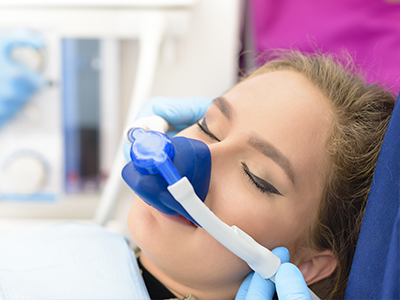

Sedation dentistry uses medication to reduce anxiety and make dental treatment more comfortable for patients who feel nervous or overwhelmed. The goal is to alter perception and awareness so the patient experiences less stress while the dentist performs clinical procedures. Sedation is selected to match the patient’s needs and the complexity of the treatment, and it is combined with local anesthesia when needed to control pain.
Different sedation levels change how alert and aware a patient feels, ranging from light relaxation to a deeper, closely monitored state. Throughout treatment a trained clinical team monitors vital signs and responsiveness so levels can be adjusted safely. When done correctly, sedation lets patients receive necessary dental care with dignity and less emotional burden.
Good candidates include people with dental anxiety or a clinical diagnosis of dental phobia, individuals with a strong gag reflex, and patients who are extremely sensitive to sights or sounds in the operatory. Sedation is also appropriate for adults undergoing lengthy or complex restorative work, such as multiple crowns or implant procedures, when combining care into fewer appointments reduces stress. Patients with mobility, cognitive, or certain medical limitations may also benefit when sedation makes safe treatment possible.
Choosing sedation is a collaborative decision made after a review of medical history, medications, and the planned procedures. The dental team recommends the least intensive option that will keep the patient comfortable and safe. This personalized approach ensures sedation is used when it meaningfully improves the patient’s ability to receive care.
Common in-office options include nitrous oxide, oral prescription sedatives, and intravenous (IV) sedation, each offering different depths of relaxation and recovery profiles. Nitrous oxide is inhaled through a nasal mask and provides mild to moderate calming with rapid onset and quick recovery. Oral sedation involves a prescribed medication taken before the appointment and typically produces steady, predictable relaxation with some lingering drowsiness.
IV sedation delivers medication directly into the bloodstream for rapid, adjustable effects and is useful when a greater degree of control is needed while maintaining a monitored, responsive state. The choice among these methods depends on anxiety level, the length and complexity of the procedure, and the patient’s medical background. Your dentist will explain which option offers the right balance of comfort, safety, and convenience for your situation.
Safety begins with a thorough preoperative review of medical history, current medications, allergies, and any conditions that could affect sedation. Trained clinicians use monitoring equipment to track oxygenation, heart rate, blood pressure, and responsiveness throughout the appointment, and they are prepared to adjust sedation levels or intervene if needed. Staff training in sedation techniques and emergency response is a standard part of delivering safe sedated care.
The office of Kissing Camels Family Dentistry follows protocols that match sedation level to patient health and treatment complexity and provides clear instructions for preparation and recovery. Continuous monitoring during the procedure and a defined recovery plan afterward are part of the safety net that helps patients feel secure. Open communication about risks, benefits, and alternatives ensures informed consent before treatment begins.
Preparation varies by the type of sedation chosen: nitrous oxide often requires minimal preparation, while oral and IV sedatives commonly require fasting and temporary adjustments to certain medications. Your dental team will give specific pre-appointment instructions based on your health history, the sedative used, and any prescription medications you take. It is important to follow those directions closely to ensure safety and predictable effects.
For oral or IV sedation you will need a responsible adult to drive you home and remain with you for a short period after the visit until the effects wear off. Plan to avoid strenuous activity for the remainder of the day and to have someone available to help if needed. Clear communication about current health conditions and medications before the appointment helps the team tailor the plan and reduce the risk of complications.
Recovery depends on the sedation method used. Patients who receive nitrous oxide usually recover quickly and can resume normal activities within minutes after the gas is stopped, while those who receive oral or IV medications will experience longer drowsiness and require an escort home.
After oral or IV sedation patients should plan to rest for the remainder of the day and avoid driving, operating machinery, or making major decisions until fully alert. The dental team will provide specific post-op instructions about eating, medication resumption, and warning signs that warrant follow-up. Following those instructions helps ensure a smooth and safe recovery.
Yes, sedation can be safely and effectively used for pediatric patients and people with special needs when the plan is tailored to the individual. For children, dosing and behavioral considerations are adjusted by clinicians experienced in pediatric sedation, and parental consent and presence are managed according to best practices. Patients with cognitive, mobility, or sensory challenges often benefit from carefully planned sedation that reduces distress and enables necessary treatment.
Before proceeding, the dental team reviews medical history, communicates expectations with caregivers, and develops a monitoring and recovery plan specific to the patient. The emphasis is on the least invasive approach that will provide comfort and safety while allowing clinicians to complete the required care. Coordinated care and clear instructions for caregivers are key components of a successful outcome.
Most dental sedation provided in the office is classified as conscious sedation, which means you remain breathing on your own and can respond to verbal cues while feeling deeply relaxed. Conscious sedation often produces little or no memory of the procedure, but patients are not put into a full unconscious state. General anesthesia, which produces an unconscious state, is reserved for procedures that cannot safely be performed under conscious methods and is usually administered in a hospital setting by an anesthesiologist.
The degree of amnesia and awareness depends on the sedative type and dosage used, and your dentist will discuss expected effects before treatment. If limited memory is a desired outcome, that preference should be communicated during the consultation so the team can select the appropriate method. Understanding what to expect helps patients feel more comfortable with the plan and reduces uncertainty before the appointment.
Sedation can make it possible to complete several restorative procedures in a single appointment, which reduces the number of visits and the cumulative anxiety associated with repeated treatments. When anxiety or physical limitations would otherwise prevent a patient from tolerating long or complex appointments, sedation provides the calm and stability needed for efficient clinical work. Combining treatments under appropriate sedation can improve clinical outcomes and simplify the overall care plan for the patient.
Decisions about consolidating procedures are made case by case, taking into account medical history, procedural complexity, and the patient’s comfort goals. The dental team balances efficiency with safety to determine how much can be completed in one visit without compromising care. Clear preoperative planning and monitoring ensure that combined treatment sessions are conducted responsibly and with attention to patient well-being.
To schedule a consultation you will meet with the dental team to review your medical history, discuss past experiences with dental care, and outline the procedures you need. During that visit the clinician explains available sedation options, recommends the least intensive approach that will keep you comfortable, and answers questions about preparation, monitoring, and recovery. This conversation helps build a personalized plan that addresses both your clinical needs and your comfort.
At Kissing Camels Family Dentistry the consultation is designed to be informative and collaborative so you can make an informed decision about sedation. Expect a clear explanation of next steps, any pre-appointment instructions, and what to expect on the day of treatment. If sedation is recommended, the team will provide written guidance and schedule the appointment with the necessary clinical support in place.