3470 Centennial Blvd, Suite 200
Colorado Springs, CO 80907
Se habla español


If a dentist recommends a root canal, it’s understandable to feel uneasy, but the procedure itself is designed to stop pain, eliminate infection, and preserve your natural tooth. Modern endodontic care is efficient and much more comfortable than many people expect; in many cases the experience resembles having a routine filling, thanks to improved instruments, anesthesia techniques, and sedation options.
At Kissing Camels Family Dentistry, we approach root canal therapy as a way to protect long-term oral health and keep your smile intact whenever possible. The goal is to remove the source of pain and infection while restoring the tooth so it can function normally for years to come.
Keeping a natural tooth whenever feasible is usually the best option for chewing, speaking, and preserving surrounding teeth. A tooth that can be retained with root canal therapy avoids the bone loss and shifting that sometimes follow extraction. When a root canal succeeds, the restored tooth can often serve comfortably for many decades.
Advances in techniques and materials mean root canal procedures are predictable and durable. Dentists remove the damaged or infected pulp, clean and shape the internal canals, and seal them with biocompatible material. Afterward, the tooth is typically rebuilt with a crown or appropriate restoration to restore strength and prevent fracture.
Saving a tooth also reduces the need for more complex replacement options later. While extraction followed by an implant, bridge, or partial denture is an option, preserving natural tooth structure remains the most conservative route when conditions allow.

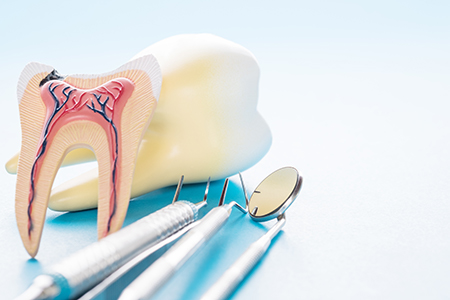
At the center of each tooth lies the dental pulp: a small collection of connective tissue, nerves, and blood vessels. That pulp helps teeth develop and can signal problems by producing pain or heightened sensitivity. When decay, trauma, or repeated dental work reaches this inner chamber, the pulp can become inflamed or infected and may no longer heal on its own.
Symptoms that commonly indicate pulpal damage include lingering or severe pain, sensitivity to hot or cold that does not subside, and discomfort when biting or chewing. Teeth that darken after an injury or become loose because of surrounding bone changes can also signal deeper issues that require evaluation.
In some cases, a tooth with pulp damage produces little or no pain but shows radiographic evidence of infection at the root tip. That’s why routine dental exams and X-rays matter: they can detect problems before symptoms escalate and help guide timely treatment decisions.

Leaving an infected or necrotic tooth untreated increases the chance the infection will spread to adjacent teeth, soft tissues, or even jaw bone. Early intervention with root canal therapy can limit damage and often reduces the need for more invasive procedures. Prompt care helps control discomfort and minimizes the risk of complications.
Even when symptoms are mild, radiographic signs such as a dark area at the root tip indicate that an infection may be present. Addressing these findings sooner rather than later improves the likelihood of preserving the tooth and restoring it to full function.
Your dentist will consider the tooth’s structural integrity, the extent of bone support, and overall oral health when recommending treatment. When conditions are favorable, root canal therapy is a conservative solution that maintains the natural dentition and supports long-term oral stability.
Root canal treatment is typically performed under local anesthesia so the tooth and surrounding tissues are numb. Many procedures are completed in a single visit, but more complex teeth or those with active infection may require two appointments to ensure thorough cleaning and healing. Sedation options are available for patients who prefer extra relaxation during their visit.
The dentist isolates the tooth with a rubber dam, creates a small opening in the crown, and carefully removes the diseased pulp. Using small, precise instruments and irrigation solutions, the canals are cleaned, shaped, and disinfected before being filled and sealed with a biocompatible material. After the internal work is complete, a temporary or permanent restoration is placed depending on the situation.
Because a root-treated tooth can be more brittle, a full-coverage crown is often recommended to protect the remaining structure and restore normal chewing forces. Our office collaborates with skilled dental labs and uses digital tools to ensure restorations fit well and look natural.
After treatment, it’s normal to experience mild tenderness or sensitivity for a few days as tissues heal. Over-the-counter pain relievers are often sufficient; if antibiotics are prescribed for active infection, it’s important to complete the course as directed. Avoid chewing on the treated tooth until a permanent restoration is in place to reduce the risk of fracture.
Good oral hygiene and regular dental checkups are key to long-term success. A properly treated and restored tooth can last a lifetime with routine care and attention. If persistent discomfort or swelling develops after treatment, prompt follow-up ensures any concerns are addressed quickly.
At the office of Kissing Camels Family Dentistry, our team emphasizes clear communication and compassionate care throughout the process. We’ll discuss the treatment plan, expected recovery, and the best timing for a final restoration so you can return to normal eating and oral function with confidence.
In summary, root canal therapy is a reliable, tooth-saving procedure designed to remove infection, relieve pain, and restore oral function. If you suspect a tooth is infected, or if your dentist has recommended evaluation, please contact us for more information and to arrange an appointment. We are here to help guide you toward the option that best preserves your health and smile.


A root canal is a dental procedure that removes inflamed or infected pulp from inside a tooth and seals the canals to prevent reinfection. The treatment preserves the natural tooth structure and restores its ability to function normally. Dentists recommend root canal therapy to relieve pain, stop infection, and avoid the need for extraction when the tooth can be saved.
The process focuses on eliminating the source of symptoms while maintaining tooth stability within the jaw. Modern instrumentation, local anesthesia, and precise techniques make the procedure predictable and comfortable for most patients. After the internal work is complete, a restoration such as a crown is typically recommended to protect the treated tooth.
Common signs that a tooth may need root canal therapy include persistent or severe tooth pain, prolonged sensitivity to hot or cold, and pain when biting or chewing. Other indicators are swelling, a pimple-like bump on the gums near the affected tooth, or darkening of the tooth after trauma. Some teeth with damaged pulp produce little or no pain but show radiographic evidence of infection at the root tip.
Regular dental exams and X-rays are important because they can reveal problems before symptoms escalate. Your dentist will evaluate the tooth’s structure, perform diagnostic tests, and review imaging to determine whether root canal therapy is the best option. Early detection and treatment improve the chances of preserving the natural tooth.
Root canal treatment is performed under local anesthesia so the treated tooth and surrounding tissues are numb during the procedure. Many patients report that the experience is comparable to having a routine filling thanks to modern anesthetic techniques and instrumentation. Sedation options are also available for those who prefer additional relaxation during their visit.
After treatment, it is common to have mild tenderness or sensitivity for a few days while tissues heal, and over-the-counter pain relievers are often sufficient. If antibiotics are prescribed for an active infection, it is important to complete the course as directed. Persistent or worsening pain or swelling should prompt prompt follow-up with your dentist to rule out complications.
The procedure begins with local anesthesia and isolation of the tooth, often using a rubber dam to keep the area dry and free of saliva. The dentist creates a small access opening, removes the diseased pulp, and uses small instruments and irrigation solutions to clean and shape the internal canals. Once the canals are disinfected, they are filled and sealed with a biocompatible material to prevent reinfection.
Depending on the tooth and the presence of infection, treatment may be completed in a single visit or staged across two appointments to allow healing. A temporary or permanent restoration is placed after the internal work is finished, and a full-coverage crown is commonly recommended to protect the tooth from fracture. Digital imaging and collaboration with skilled dental labs help ensure that final restorations fit well and restore normal function.
Initial recovery typically involves numbness that wears off within a few hours and mild soreness or sensitivity for several days as the tissues heal. Most people manage post-procedure discomfort with over-the-counter pain medicines and resume normal activities within a day or two. If antibiotics are prescribed for an active infection, completing the full course helps support recovery.
Patients should avoid chewing on the treated tooth until a permanent restoration is placed to reduce the risk of fracture. A follow-up visit is often scheduled to assess healing and plan for the final restoration, such as a crown. Contact your dentist promptly if you experience increasing pain, persistent swelling, or signs of systemic infection.
Yes, a tooth that receives thorough root canal therapy and an appropriate restoration can last for many years and, in many cases, a lifetime. Success depends on factors such as the quality of the root canal filling, the final restoration that protects the tooth, and the patient’s oral hygiene and overall dental health. When a root canal is properly performed and followed by a durable crown, the tooth’s function and appearance can be well preserved.
Regular dental checkups and routine X-rays are important to monitor the treated tooth and surrounding structures for signs of recurrent infection or other issues. With proper care and routine exams at Kissing Camels Family Dentistry, a root-treated tooth can remain functional and comfortable for decades. Early attention to new symptoms or changes in the tooth reduces the likelihood of future complications.
The primary alternative to saving a tooth with root canal therapy is extraction, which may be followed by tooth replacement options such as a dental implant, bridge, or removable partial denture. While extraction eliminates the infected pulp, it also removes natural tooth structure and can lead to changes in surrounding teeth and bone over time. Preserving the natural tooth with root canal therapy is often the most conservative choice when the tooth’s condition and supporting structures allow.
Deciding between treatment options involves evaluating the tooth’s structural integrity, the amount of remaining bone support, and the patient’s overall oral health and preferences. Your dentist will discuss the clinical pros and cons of each approach and help guide a decision that balances long-term function and oral stability. Early intervention typically increases the range of viable treatment options.
A crown is commonly recommended after root canal therapy because the treated tooth can become more brittle and is at greater risk of fracture under normal chewing forces. The process usually involves preparing the tooth, taking digital scans or impressions, and placing a temporary crown while the permanent restoration is fabricated. The final crown restores shape, strength, and appearance and is cemented once fit and occlusion are verified.
Crowns are made from materials chosen for strength and aesthetics, and digital tools help achieve precise fit and natural-looking results. Timing for the final restoration depends on healing, tooth structure, and laboratory workflows, and your dentist will advise on the best schedule. Proper maintenance and routine dental visits help ensure the crown and underlying tooth remain healthy long term.
Long-term success for a root-treated tooth starts with good daily oral hygiene, including twice-daily brushing with fluoride toothpaste and daily flossing to reduce the risk of recurrent decay. Avoiding hard or abrasive chewing habits and protecting teeth from bruxism with a night guard when recommended can help prevent fractures. Routine professional cleanings and exams allow your dentist to monitor the restoration and surrounding bone over time.
Be attentive to any new symptoms such as pain, swelling, or looseness around the treated tooth and seek prompt evaluation if they occur. Timely follow-up care and prompt management of any restorative concerns help extend the lifespan of the treated tooth. Maintaining general health and discussing any changes in your medical history with your dental team also supports long-term outcomes.
The office of Kissing Camels Family Dentistry emphasizes patient comfort through thoughtful amenities and a calm environment, including options that help reduce anxiety during treatment. Local anesthesia and sedation options are available for patients who prefer extra relaxation, and measures such as blankets, pillows, and in-room entertainment help make appointments more pleasant. Clear communication about the treatment steps and expected recovery helps patients feel informed and at ease throughout the process.
The clinical team uses modern instrumentation, digital imaging, and collaboration with skilled dental labs to increase efficiency and predictability. Isolation techniques and precise endodontic tools support thorough cleaning and sealing of the canals, which contributes to long-term success. If concerns arise after treatment, the practice encourages prompt follow-up so any issues can be addressed quickly and effectively.