3470 Centennial Blvd, Suite 200
Colorado Springs, CO 80907
Se habla español


Tooth loss affects daily life in ways people often underestimate. Missing teeth can make chewing uncomfortable, change how you speak, and alter the shape of your face over time. Modern implant dentistry addresses those problems by replacing both the visible tooth and the root-like support beneath the gum, which is essential to long-term function and facial structure.
Implants are a long-term approach designed to integrate with your jaw so replacement teeth feel and perform like natural ones. Whether the cause is decay, trauma, or long-standing periodontal disease, a well-planned implant restoration can return the ability to eat a wide variety of foods, speak without hesitation, and smile without holding back.
For patients seeking experienced, comprehensive care in Colorado Springs, Kissing Camels Family Dentistry blends advanced imaging, in-house laboratory capabilities, and restorative expertise to plan treatments that focus on lasting results and a comfortable patient experience.

A dental implant is more than a stand-in for a crown. It’s a titanium (or other biocompatible material) post that serves the same mechanical purpose as a tooth root. When placed carefully into the jawbone, the implant provides the foundation for a prosthesis that behaves like a natural tooth when you chew, laugh, or speak.
Because implants transfer biting forces into the bone, they help preserve bone volume and facial contours that would otherwise recede after tooth loss. This preservation is a major reason many people prefer implants over removable options: implants support both appearance and oral health.
Implant restorations are also flexible. They can support a single crown, anchor a bridge without altering neighboring teeth, or stabilize a denture so it stays secure through daily activities. That adaptability makes implants an important tool for rebuilding smiles of nearly every type.
Most implant systems consist of three parts: the implant body (the part placed into bone), an abutment (a connector piece), and the final restoration (a crown, bridge, or denture). Each piece is designed to work together so the finished result is stable, cleansable, and aesthetic.
Osseointegration, the biological process by which bone grows around the implant, is the cornerstone of implant success. Given the right conditions and careful planning, implants become securely anchored in the jaw, creating a strong foundation that can last many years with proper maintenance.
Modern diagnostic tools, including 3D imaging and digital impressions, let your dental team evaluate bone volume and nerve positions precisely, select the optimal implant size and position, and design restorations that align with your bite and facial features.
Implants are praised for their reliability and the quality of life they restore. Because implants act like natural tooth roots, they stabilize adjacent teeth and help preserve jawbone. Patients typically find that implants improve chewing efficiency and comfort in ways removable replacements cannot match.
Another practical benefit is predictability: with precise planning and good oral hygiene, implants often perform well for many years. Unlike removable dentures, implants won’t slip during conversation or meals, and unlike tooth-supported bridges, they generally do not require altering neighboring healthy teeth.
From a daily standpoint, implant restorations are cleaned much like natural teeth, with routine brushing, flossing, and regular dental visits. This simplicity often makes them an appealing long-term solution for people who want a stable, low-maintenance outcome.
Whether you need to replace a single tooth or rebuild most of your dental arch, implants offer options that can be tailored to your situation and goals.

Implant dentistry is not one-size-fits-all. The ideal solution depends on how many teeth are missing, the condition of the supporting bone, your general health, and your personal expectations for function and appearance. A thoughtful plan balances surgical needs with restorative goals to deliver a predictable result.
Single implants restore one missing tooth without affecting adjacent teeth, while implant-supported bridges can replace multiple missing teeth with fewer implants than the number of teeth being replaced. For people missing a full arch, fixed full-arch restorations or implant-retained overdentures provide stability and improved chewing strength compared with conventional dentures.
The restorative design also considers long-term maintenance and hygiene access. Your dental team will review the pros and cons of each option and recommend a path aimed at durability, aesthetics, and ease of care.
When one tooth is missing, an implant plus a crown restores that space without changing neighboring teeth. The result looks and functions like a natural tooth and allows the adjacent teeth to remain untouched.
For two or more adjacent missing teeth, an implant-supported bridge can replace the teeth while preserving surrounding tooth structure. Strategically placed implants serve as anchors so neighboring healthy teeth don’t need to be prepared for crowns.
Full-arch restorations use a set of implants to support a permanent bridge, giving a non-removable solution that is strong and natural-feeling. This approach restores function and appearance and can often provide provisional teeth during the healing phase.
When a removable denture is preferred, attaching it to a small number of implants dramatically improves retention and comfort. The denture snaps or clips to the implants, reducing movement while still allowing removal for cleaning when needed.
Most adults in reasonably good health can be considered for implants, but candidacy depends on several factors. Bone volume and quality, oral health (such as active gum disease), medical history, and lifestyle habits like smoking are all part of the assessment. The goal is to create a treatment plan that is both safe and predictable.
Evaluation typically includes a clinical exam and 3D imaging to measure bone and check anatomical structures. If bone is insufficient, preparatory procedures (such as grafting) can often rebuild the foundation needed for implants. Your dental team will explain the findings and suggest options that match your long-term goals.
Decisions are collaborative: the team will outline realistic expectations, discuss timelines for surgery and restoration, and identify what each step will involve so you can make an informed choice about care.
Successful implant therapy begins with clear, individualized planning. Digital scans and 3D imaging let clinicians simulate implant placement and design restorations before any surgical work begins. This reduces surprises and helps ensure a final result aligned with your bite, smile line, and functional needs.
Patients receive guidance about pre-operative preparations, anesthesia choices, and recovery expectations. The team will also provide post-operative care instructions so healing progresses smoothly and the restoration phase proceeds on schedule.
When appropriate, temporary restorations may be provided to preserve aesthetics and function while implants integrate with the bone.
Implant placement is typically performed as a minor outpatient surgical procedure. Depending on the complexity, placements can be completed under local anesthesia or with additional sedation options to increase comfort. The exact surgical sequence is individualized to each patient’s anatomy and treatment plan.
After placement, the implant needs time to osseointegrate, a process commonly taking several months. During this phase, careful oral hygiene and follow-up visits help ensure predictable healing. In many cases, provisional restorations are used so patients have usable teeth while the implant integrates.
Once healing is complete, the final restoration (a crown, bridge, or denture) is fabricated and fitted. From that point forward, routine dental care and periodic professional evaluations help preserve the health of the implant and surrounding tissues for years to come.
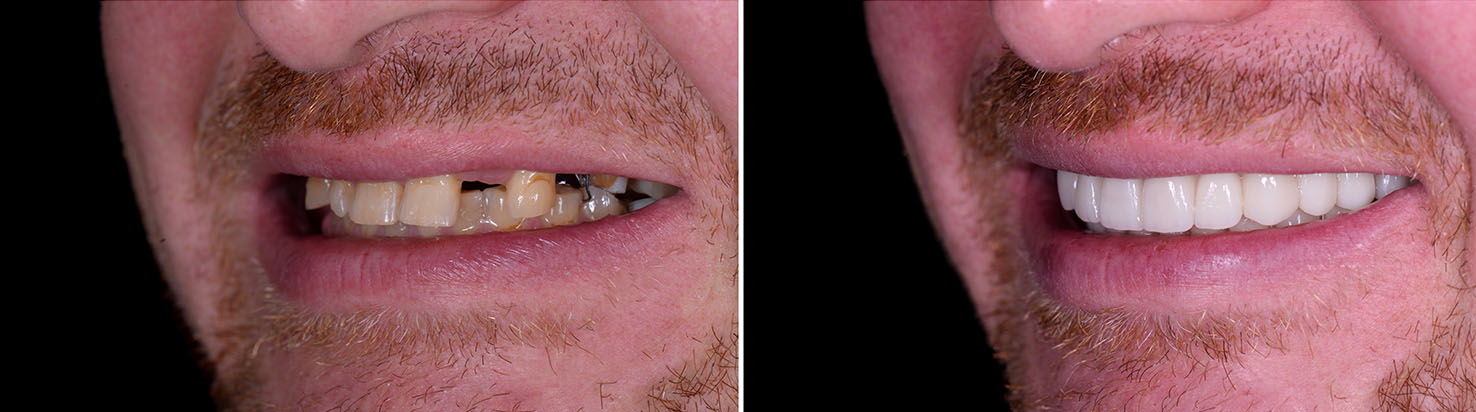
Bone loss following tooth extraction or prolonged tooth absence is common. If there isn’t enough bone to support an implant, grafting techniques can rebuild the site to provide a stable foundation. Bone grafts use materials and techniques tailored to the volume needed and the timeline of treatment.
Grafting may be performed at the time of extraction, before implant placement, or even during implant surgery depending on the situation. The objective is to create durable support for the implant so it can integrate successfully and support the restoration long-term.
Your clinician will explain whether grafting is recommended, the materials involved, and the expected healing timeline so you know what to expect at each stage.
Replacing missing teeth with implants restores function, helps preserve facial structure, and can significantly improve daily comfort. Treatment is planned to match your unique needs and can be phased to fit your schedule and healing process.
Our team emphasizes clear communication, advanced diagnostics, and restorative precision to help ensure implant treatments meet both functional and aesthetic expectations. If you’d like to learn more or discuss whether implant therapy is right for you, please contact us to schedule a consultation.


Dental implant therapy replaces a missing tooth by placing a biocompatible post into the jawbone and attaching a custom restoration such as a crown, bridge or denture. The implant post serves the mechanical role of a tooth root, providing stable support for chewing and speaking. This approach addresses both the visible tooth and the supporting structures to help preserve facial contours and oral function.
Successful treatment relies on careful planning and coordination between surgical placement and restorative design so the final tooth aligns with your bite and aesthetic goals. Modern workflows use precise imaging and digital impressions to design restorations that match neighboring teeth. With proper maintenance, implants are intended to provide a long-term solution for replacing one or more missing teeth.
Implants reproduce natural form and function by transferring biting forces into the jawbone in a way similar to natural tooth roots, which helps maintain bone volume and support facial structure. The implant post integrates with bone through osseointegration, creating a stable foundation for a restoration that behaves predictably during chewing and speech. The connection between implant, abutment and prosthesis is engineered to provide strength, stability and a lifelike appearance.
Because implants anchor restorations directly to the jaw, they reduce or eliminate common problems associated with removable teeth, such as slipping or altered speech. Implant-supported restorations are designed for ease of cleaning and long-term oral health, and they can be shaped to blend with neighboring teeth for a natural smile. This combination of biomechanics and aesthetics is why implants are widely used for durable tooth replacement.
Most healthy adults who have sufficient jawbone and good oral hygiene are potential candidates for implants, though candidacy depends on a comprehensive evaluation of oral and general health. Factors such as uncontrolled gum disease, certain medical conditions, and tobacco use can affect healing and implant success, so those issues are reviewed and addressed before treatment. Age alone is not a limiting factor; the focus is on bone quality, overall health and the ability to follow post-operative care.
When bone volume is reduced, many patients can still receive implants after preparatory procedures such as bone grafting or ridge augmentation. Dental teams assess individual risk factors, collaborate with medical providers when necessary, and recommend a treatment plan that balances safety and predictability. The goal is to create a foundation that supports long-term integration and function.
Effective implant planning uses a combination of clinical examination, 3D imaging such as cone beam computed tomography (CBCT), and digital impressions to evaluate bone volume, nerve positions and tooth relationships. These technologies allow clinicians to simulate implant placement, select appropriate implant dimensions and design restorations that fit the bite and smile line. Detailed diagnostics reduce surprises during surgery and help ensure a restoration that is both functional and aesthetic.
In addition to imaging, the team reviews medical history and oral health status to identify any conditions that must be managed before surgery. When needed, models and guides fabricated from digital data improve surgical accuracy and support predictable outcomes. Clear communication about findings and treatment options helps patients understand the proposed plan and expected timeline.
Implant placement is typically performed as a minor outpatient procedure under local anesthesia, with sedation options available for patient comfort when desired. After placement, implants undergo osseointegration, a biological process in which bone grows around the implant; this commonly takes several months depending on location and bone quality. Temporary restorations may be provided during healing to maintain aesthetics and function while integration occurs.
Follow-up visits are scheduled to monitor healing and ensure tissues respond as expected, and final restorations are delivered once integration is sufficiently stable. Recovery from the surgical procedure usually involves a short period of soreness and swelling that is managed with standard post-operative instructions. Long-term success depends on routine oral hygiene and regular professional evaluations to preserve the implant and surrounding tissues.
Bone grafting or sinus lift procedures are recommended when the jaw lacks sufficient height or volume to support an implant safely and predictably. Loss of bone can follow tooth extraction, long-term missing teeth or periodontal disease, and grafting rebuilds the ridge to provide the support implants need for stable integration. The choice of graft material and timing (at the time of extraction, before implant placement, or simultaneously with placement) depends on the specific clinical situation.
Sinus lifts are used in the upper back jaw when the sinus cavity is close to the intended implant site and additional vertical bone is required. These preparatory procedures are common and routinely performed to expand candidacy for implants, and your clinician will explain the expected healing timeline and alternatives so you can make an informed decision. Proper planning ensures grafts create durable support for the final restoration.
Implants offer flexible restorative options tailored to the number of missing teeth and patient preferences, including single-tooth crowns, implant-supported bridges, fixed full-arch restorations and implant-retained removable dentures. Single crowns replace one tooth without altering adjacent healthy teeth, while implant-supported bridges can span multiple missing teeth with fewer implants than natural teeth replaced. Full-arch solutions and implant-retained overdentures restore extensive tooth loss and greatly improve stability compared with conventional dentures.
The restorative design also considers hygiene access, aesthetics and functional goals to ensure long-term durability and patient satisfaction. Clinicians weigh the pros and cons of each option and present a plan that balances surgical needs with the desired outcome. Temporary or provisional prostheses can be used during healing to maintain appearance and function until the final restoration is placed.
Long-term implant success depends on daily oral hygiene and regular professional care; patients should brush twice daily, floss or use interdental cleaners around implants and attend routine dental exams and cleanings. Implants themselves cannot develop cavities, but the surrounding gum and bone can be affected by plaque-related inflammation, so excellent home care is essential. Your dental team will demonstrate proper cleaning techniques and recommend tools that help maintain healthy tissues around the implant.
In addition to home care, periodic professional evaluations are important to check the stability of the implant, the condition of the restoration and the health of surrounding gums. If any signs of inflammation, mobility or bite changes appear, early intervention improves the chances of preserving the implant. A consistent maintenance schedule supports predictable function and long-term aesthetics.
As with any surgical procedure, implant therapy carries potential risks such as infection, insufficient bone integration, nerve irritation or sinus complications depending on the surgical site. Thorough diagnostic evaluation and careful surgical technique reduce these risks, and clinicians follow established protocols for sterile technique, appropriate antibiotic use when indicated and patient-specific precautions. When complications occur, timely diagnosis and treatment (such as managing infection, adjusting restoration fit or performing revision procedures) aim to resolve the issue and protect oral health.
Patients are informed about warning signs to watch for during recovery and are encouraged to report unusual pain, persistent swelling or changes in bite promptly. Collaboration with medical providers may be necessary for patients with complex medical histories, and individualized risk management helps improve outcomes. Proactive maintenance and early intervention are key components of managing long-term risks.
To begin the implant evaluation, contact our Colorado Springs office to schedule a consultation where a clinician will review your medical and dental history and perform a focused exam. The visit typically includes recommended imaging, such as 3D CBCT, and a discussion of restorative goals so the team can recommend a customized treatment plan. During this appointment, clinicians explain each step, expected timelines and any preparatory procedures that may be needed.
Our team emphasizes clear communication and a patient-centered approach to help you make an informed decision about implant therapy, and we will outline follow-up appointments and post-operative care expectations. If you have questions about sedation options, in-house lab capabilities or the use of digital impressions, bring them to the consultation so the team can address them directly.