3470 Centennial Blvd, Suite 200
Colorado Springs, CO 80907
Se habla español


At Kissing Camels Family Dentistry, our first goal is to preserve natural teeth whenever possible. Sometimes, however, removing a tooth is the most responsible step to protect the rest of the mouth and the patient’s overall health. Extractions are not taken lightly. They follow a careful assessment and a conversation about why removal is recommended and what comes next.
There are several common scenarios that lead dentists to recommend extraction. These include baby teeth that won’t let go, permanent teeth that are too damaged to restore, injuries that have fractured tooth structure beyond repair, advanced periodontal problems, and wisdom teeth that cause pain or disrupt alignment. Addressing these issues promptly can prevent infection, pain, and damage to neighboring teeth.
We pair clinical judgment with modern imaging and diagnostic tools to decide whether extraction is necessary. When extraction is the right choice, our focus shifts to making the process predictable, comfortable, and supported by a clear plan for healing and, if appropriate, tooth replacement.
A retained primary ("baby") tooth that is interfering with development
Primary teeth usually fall out on their own as permanent teeth erupt. If a baby tooth remains attached, because its root failed to resorb or it became fused to the jaw, it can block a permanent tooth, alter eruption paths, and lead to alignment problems. In those cases, a timed extraction can guide proper development.
A permanent tooth with decay or damage that cannot be repaired
Decay starts at the outer enamel and can progress into the dentin and pulp if untreated. When structural damage is so extensive that a reliable restoration isn’t possible, removal may be necessary to stop infection and protect adjacent teeth and tissues.
A tooth with a severe fracture or crack that compromises long-term stability
Cracks and fractures come in many forms. Some can be restored, but others, especially those that extend to the root or split the tooth, leave too little healthy structure to support a crown or filling. In such cases extraction prevents ongoing pain and complications.
Advanced periodontal disease that has weakened the supporting tissues
When gum disease has caused significant bone and ligament loss, teeth can loosen and become a source of infection. Removing teeth that are no longer supported can improve oral health and make it easier to care for remaining teeth.
Wisdom teeth that are poorly positioned, impacted, or repeatedly infected
Third molars often lack the space they need to erupt cleanly. Impaction, decay, or pressure on neighboring teeth can make removal the safest choice, particularly when those teeth threaten the health of nearby structures.
Extractions as part of an orthodontic treatment plan
Some smiles benefit from selective removal of permanent teeth to create space and achieve a balanced bite. Extractions performed for orthodontics are planned carefully with the patient’s long-term function and aesthetics in mind.

The decision to extract a tooth begins with a thorough medical and dental history review and an oral exam. We’ll ask about any medications you take, medical conditions, allergies, and prior surgical history because these factors can affect both the approach to the procedure and the healing process.
Imaging is a routine part of planning. Digital radiographs give us a clear view of root shape, bone levels, and the relationship of the tooth to nearby anatomical structures. When the anatomy is complex, three-dimensional imaging can be used to refine the plan and anticipate potential challenges.
We always discuss anesthesia and comfort options in advance. Local anesthesia is standard, and for patients who experience anxiety or require longer procedures, dental sedation is available and can be tailored to the level of support each patient prefers. If medical clearance or antibiotic coverage is needed, we will explain those requirements before the appointment.
Please provide a complete list of current medications, including over-the-counter supplements, and tell us about any heart, lung, or immune system conditions. If you are on blood thinners or have a history of bleeding disorders, special coordination with your physician may be needed. Inform us if you are pregnant, recently ill, or have had recent medical changes.
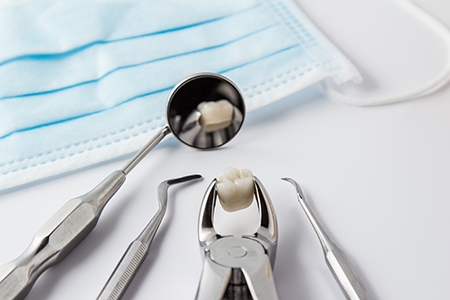
A "simple" extraction describes a tooth that is visible in the mouth and can be removed using standard instruments after the area is numbed. The dentist loosens the tooth with elevators and removes it with forceps. These procedures are efficient and typically have straightforward recovery.
Surgical extractions are indicated when a tooth is broken at the gum line, fused to the bone, ankylosed, impacted, or otherwise not accessible for a simple technique. Surgical removal may involve a small incision, limited bone removal, or sectioning the tooth to allow safe extraction. For complex cases we may refer to or collaborate with an oral and maxillofacial surgeon.
Throughout either approach, your comfort is a priority. We use local anesthesia to control sensation and can offer sedation to reduce anxiety and help you remain relaxed during the procedure. After the extraction we’ll review what to expect and the next steps for healing and restoration.
On the day of treatment, follow any pre-surgical instructions provided by our team. Arrive with a plan for transportation if you will be sedated, and expect the clinician to review the planned steps before beginning. Clear communication about how you’re feeling during the visit helps us adjust anesthesia or comfort measures as needed.

Every healing course is different, but there are consistent practices that support predictable recovery. Immediately after the procedure you’ll bite on gauze to help blood clot formation. Rest, avoid strenuous activity for the first 24 to 48 hours, and follow medication guidance to stay comfortable and prevent infection.
Avoid rinsing vigorously, using a straw, or any suction motion for the first day; these actions can dislodge the clot and delay healing. Cold packs applied to the face in the first 24 hours can reduce swelling; after that, gentle warm compresses and saltwater rinses (as advised) may support comfort and cleanliness.
Please avoid smoking and tobacco products while healing, as they interfere with clot stability and tissue repair. Eat soft, nutritious foods and stay well-hydrated. If you were prescribed antibiotics, take the full course; if given a pain regimen, follow dosing directions and call the office if pain increases or bleeding is persistent.
Maintain pressure with gauze
We will place gauze over the site and ask you to bite down to control bleeding. Replace the gauze as directed and keep gentle pressure until the bleeding slows. Some light oozing for 24 hours is common; contact us if bleeding seems heavy or continues.
Protect numb tissues
Avoid chewing or touching the area until the local anesthetic wears off to prevent accidental bites to lips, cheeks, or tongue.
Take medications as directed
If we prescribed antibiotics or pain medication, use them exactly as instructed. Over-the-counter pain relievers can also be effective; follow dosing recommendations and avoid aspirin unless otherwise advised by your physician.
Allow the clot to form
For the first 24 to 48 hours avoid rinsing forcefully, sucking on a straw, or smoking, activities that can dislodge the clot and lead to complications.
Use cold to manage swelling
Apply an ice pack in short intervals during the first day to limit swelling; switch to warm compresses after 48 hours if that provides more comfort.
Avoid tobacco
Smoking and vaping impair blood flow and healing. Refrain from tobacco use for at least a week after extraction, or as advised.
Stick to gentle foods
Begin with soft, cool or room-temperature foods. Avoid hot, spicy, or carbonated beverages initially and reintroduce regular foods gradually as comfort allows.
Keep your mouth clean
Resume gentle toothbrushing, avoiding the extraction site for a few days. Saltwater rinses can be introduced when we recommend them to help keep the area clean.
Attend follow-up visits
If stitches were placed or if your case requires monitoring, please keep scheduled follow-up appointments so we can confirm proper healing and remove sutures if needed.
Contact our office if you experience worsening pain, fever, heavy bleeding, or any concern that feels unusual during recovery.
After healing, many patients choose to replace an extracted tooth to restore chewing function and maintain the position of neighboring teeth. Options include removable partial dentures, fixed bridges, and dental implants. Each solution has pros and cons. We’ll review how they fit with your oral health, lifestyle, and long-term goals.
Dental implants are a commonly selected choice when a stable, long-term replacement is desired. They preserve bone and offer a fixed solution that behaves much like a natural tooth. Bridges and partial dentures remain valid options for many patients and may be recommended depending on the clinical situation.
We will review timing for replacement (immediate versus delayed), the health of the jawbone, and any preparatory steps such as bone grafting. Your clinician will explain all options and help you make an informed choice that aligns with your needs.
We combine clear communication, modern diagnostics, and a patient-centered approach to make extractions as smooth as possible. From careful treatment planning to tailored pain control and recovery instructions, our team focuses on predictable outcomes and your comfort throughout the process.
When restorative work is needed after an extraction, we coordinate treatment so the transition from removal to replacement is seamless. Our goal is to support long-term oral health and help you return to normal activities quickly and with confidence.
To learn more about tooth extractions, aftercare, or replacement options, please contact us for additional information. We’re here to answer your questions and help you make the decision that’s right for your smile.


Tooth extraction is recommended when preserving the natural tooth would threaten adjacent teeth or overall oral health. Common reasons include extensive decay that compromises structural integrity, severe fractures that cannot be reliably restored, advanced periodontal disease that has loosened a tooth, impacted wisdom teeth, and retained primary teeth that block normal development. Your dentist will use a clinical exam and imaging to weigh the benefits of preservation against the risks of keeping a compromised tooth.
Removing a problematic tooth can stop ongoing infection, relieve pain, and prevent further damage to surrounding structures. The decision to extract follows a careful discussion of alternatives, expected outcomes, and a plan for healing and, if appropriate, replacement. When removal is advised, the team focuses on a predictable, comfortable process and clear next steps for restoration or monitoring.
A simple extraction is performed on a tooth that is fully visible in the mouth and can be removed with elevators and forceps after the area is numbed. These procedures are generally quick and have straightforward healing because no incision or bone removal is required. Recovery tends to be predictable when the tooth comes out intact and the surrounding bone is healthy.
Surgical extraction is used for teeth that are broken at the gum line, impacted, ankylosed, fused to bone, or otherwise inaccessible for a simple technique. The clinician may need to make a small incision, remove a modest amount of bone, or section the tooth to extract it safely. For particularly complex cases the practice may collaborate with or refer to an oral and maxillofacial surgeon to ensure the best outcome.
Preparation begins with a complete medical and dental history review, including current prescriptions, over-the-counter medications and supplements, allergies, and any recent medical changes. Provide information about heart, lung, or immune conditions and whether you take blood thinners so the team can coordinate care or request medical clearance when necessary. If you plan to use sedation, arrange transportation and follow any fasting or pre-appointment instructions provided by the office.
Bring a list of questions about the procedure, anesthesia options and aftercare to ensure you understand what to expect. Follow any specific preoperative directions the clinician gives, such as holding certain medications only after discussing risks with your physician. Clear communication before the appointment helps the team tailor the approach to your health needs and comfort level.
Local anesthesia is the standard for most extractions and reliably prevents pain at the treatment site. For patients who feel anxious or require longer procedures, sedation options are available and can be tailored to the level of support you prefer, ranging from nitrous oxide and oral sedatives to deeper forms of sedation when medically appropriate. The clinician will review risks and benefits and determine the best option based on your health history and the complexity of the extraction.
Before using sedation, the team will discuss fasting, transportation and any medical conditions that affect safety. If you are taking medications that interact with sedatives or have underlying health concerns, the office may request medical clearance from your physician. Comfort and safety are prioritized throughout planning and during the procedure.
Immediately after the extraction you will bite on gauze to promote clot formation and reduce bleeding; some light oozing for the first 24 hours is common. Rest and avoid strenuous activity during the initial 24 to 48 hours to support healing, and use prescribed or recommended pain control as directed to stay comfortable. Apply cold packs intermittently during the first day to reduce swelling, then switch to warm compresses after 48 hours if desired for comfort.
Diet should start with soft, cool or room-temperature foods and progress as comfort allows, avoiding hot, spicy or carbonated beverages initially. Avoid rinsing vigorously, using a straw, or smoking for at least the first 24 to 48 hours to protect the clot and reduce the risk of complications. Maintain gentle oral hygiene, resuming careful brushing while avoiding direct trauma to the extraction site until the clinician advises otherwise.
Follow-up appointments may be scheduled to monitor healing and remove any sutures if placed. Contact the office if you experience heavy bleeding, fever, worsening pain beyond expected levels, or any unusual symptoms so the team can assess and intervene if needed. Clear aftercare instructions and timely communication help ensure a predictable recovery.
Protecting the blood clot at the extraction site is the most important step to reduce the risk of dry socket. Avoid activities that create suction, such as using a straw or vigorous spitting, and refrain from smoking or vaping for at least several days after the procedure because tobacco products impair clot stability and healing. Follow the clinician’s guidance on when to resume normal oral hygiene and introduce saltwater rinses to keep the site clean without dislodging the clot.
Taking medications as prescribed and using cold therapy for swelling can also support a smooth recovery, and attending follow-up visits allows the team to catch early signs of trouble. If you notice increased pain a few days after surgery or an unpleasant taste or odor, contact the office promptly so the clinician can evaluate for dry socket or infection and recommend appropriate care. Timely attention reduces the likelihood of prolonged discomfort and speeds healing.
Antibiotics are not always required for every extraction, but they may be prescribed for patients with active infection, certain medical conditions, or when a complex surgical extraction carries a higher risk of postoperative infection. The need for antibiotics is determined on a case-by-case basis after reviewing your medical history and the clinical situation. The team will explain the rationale for any prescribed medication and provide clear instructions on how to take it.
Some patients may require medical clearance from their physician before an extraction, particularly if they have significant cardiac, respiratory or bleeding disorders, or if they are taking anticoagulant medications. Sharing an accurate list of medications and recent health events allows the office to coordinate care safely and request any necessary consultations. This coordination helps minimize risks and supports an appropriate plan for anesthesia and postoperative management.
A retained primary tooth that fails to exfoliate on schedule can block the eruption of the permanent tooth, alter the path of eruption or cause alignment issues, and is a common reason for timely extraction. If a baby tooth remains because its root did not resorb or it is fused to the jaw, removing it at the appropriate time can allow the permanent tooth to erupt in a healthier position. The decision is guided by clinical evaluation and imaging to assess the development and position of the underlying permanent tooth.
Extractions for orthodontic or developmental reasons are carefully timed and often coordinated with an orthodontist when space management is part of a larger treatment plan. The team will discuss the expected benefits, any alternatives and what to expect during healing so parents can make an informed choice. Pediatric extractions are performed with techniques that prioritize a child’s comfort and emotional reassurance.
There are several effective options to replace a missing tooth, including removable partial dentures, fixed bridges and dental implants, each with distinct advantages depending on the clinical situation and patient goals. Removable options restore appearance and function without surgery, while bridges use adjacent teeth for support to replace a missing tooth with a fixed restoration. The choice depends on factors such as the health of neighboring teeth, bone volume and long-term functional needs.
Dental implants provide a stable, long-term solution that helps preserve jawbone and closely mimics the feel and function of a natural tooth, making them a common recommendation for suitable candidates. Not every patient is an immediate candidate for an implant; bone health and timing relative to extraction affect planning. When necessary, bone grafting or staged treatment may be recommended to create the proper foundation for implants or other restorations.
Your clinician will review immediate versus delayed replacement strategies and tailor recommendations to your oral health, lifestyle and restorative goals. Coordinating extraction and replacement in a thoughtful sequence helps achieve durable, aesthetic results. A clear plan for restoration reduces the risk of shifting teeth and supports long-term oral function.
At Kissing Camels Family Dentistry we emphasize careful diagnosis, clear communication and modern imaging to create individualized treatment plans that minimize risk and promote reliable healing. Our team reviews medical history, uses digital radiographs and three-dimensional imaging when needed, and discusses anesthesia or sedation options so each patient understands the approach and feels comfortable. These steps allow us to anticipate challenges and select the most appropriate extraction technique for a given situation.
Postoperative instructions, coordinated follow-up and timely planning for restorative work are central to our approach and help patients transition smoothly from removal to replacement when indicated. When restorative needs are complex, we coordinate care across our clinical team and with specialists as necessary to maintain continuity and achieve predictable, long-term results. The goal is to restore oral health and function while keeping patient comfort and safety at the forefront.