3470 Centennial Blvd, Suite 200
Colorado Springs, CO 80907
Se habla español


When decay or minor damage affects a tooth, modern tooth-colored fillings rebuild strength and shape while keeping your smile looking natural. These restorations use composite resins that are engineered to match the translucency and shade of surrounding enamel, allowing the repaired tooth to blend in visually while returning to full function.
Because composite materials bond directly to the tooth surface, the repair can often be more conservative than older metal fillings. That means less healthy enamel and dentin need to be removed during preparation, preserving more of your natural tooth and helping maintain its long-term integrity.
This conservative approach matters for both appearance and durability. A well-placed composite filling restores chewing efficiency and helps seal the tooth against further decay, while minimizing changes to the tooth’s shape and color that can occur with bulkier restorations.
Contemporary composite resins combine a plastic matrix with microscopic glass or ceramic particles to provide strength, polishability, and color stability. These materials have evolved to resist wear and staining better than earlier formulations, making them an excellent option for both front and back teeth in many cases.
Beyond aesthetics, bonding chemistry is a major advantage. When the composite adheres to the enamel and dentin, it forms a tight seal that helps prevent bacterial infiltration at the margin of the restoration. That seal reduces the likelihood of recurrent decay when combined with good home care and regular dental exams.
Composites also avoid the use of metals, which some patients prefer for health or cosmetic reasons. Because they are mercury-free and metal-free, tooth-colored fillings are a commonly chosen solution for people seeking a more natural-looking repair without sacrificing function.

Most composite filling procedures are completed in a single appointment and begin with a careful exam and targeted x-rays when needed. The decayed or damaged portion of the tooth is removed with precision instruments, and the area is cleaned to create an ideal surface for bonding.
Local anesthesia is used as required to keep you comfortable, and your clinician will take time to explain each step so you feel informed throughout the visit. If dental anxiety is a concern, sedation dentistry options are available to help patients relax while receiving care.
Once the tooth is prepared, the composite is placed in thin layers and cured with a special light. Layering allows the team to sculpt the material to match the tooth’s natural contours and occlusion. After shaping, the restoration is polished to a smooth finish and checked to ensure your bite feels right when you close and chew.
After a filling, it’s normal to feel slight sensitivity for a few days as the tooth adjusts. Numbness from anesthesia can last a few hours; avoid chewing on the treated side until sensation fully returns. If sensitivity persists beyond a short adjustment period or if you notice biting discomfort, contact the practice to have the restoration evaluated and adjusted if needed.
Daily brushing with fluoride toothpaste, thorough flossing, and routine dental check-ups are the most effective ways to help fillings last. During your recall visits, the dental team will monitor restorations for wear, marginal breakdown, or new decay so any issues can be addressed promptly.
With attentive oral hygiene and scheduled professional care, composite fillings can serve reliably for many years. If a filling does show signs of failure, early detection allows for minimally invasive repair in many cases rather than more extensive treatment later on.

While composite fillings are appropriate for many cavities and small fractures, some situations require different restorations. Large areas of decay, extensive fractures, or weakened tooth structure may be better served by onlays, crowns, or indirect restorations that cover and protect more of the tooth.
In cases where the decay has reached the dental pulp or infection is suspected, root canal therapy followed by a protective restoration may be recommended to preserve the tooth. Your dentist will evaluate the tooth’s remaining structure, bite dynamics, and long-term prognosis before suggesting the most conservative and durable option.
The team at Kissing Camels Family Dentistry collaborates with patients to select the appropriate treatment pathway based on clinical findings and personal priorities. Our goal is to choose solutions that balance preservation of natural tooth tissue with predictable function and comfort.
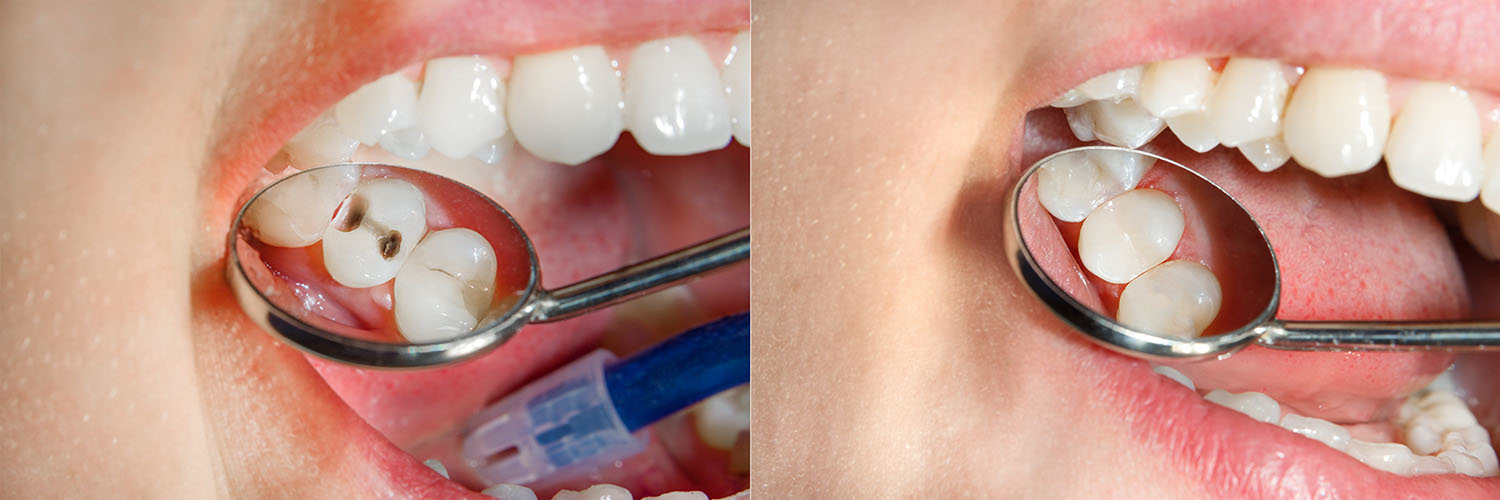
We aim to restore teeth in ways that feel natural and support lasting oral health. If you have questions about composite fillings or which restorative option best fits your needs, our team is ready to explain the choices and next steps.
In summary, tooth-colored composite fillings offer a conservative, natural-looking solution for many cavities and minor damage. They preserve more tooth structure, provide a strong bond against further decay, and can be shaped to restore normal form and function. For personalized advice about fillings or other restorative options, please contact us to learn more and schedule an evaluation.


Tooth-colored composite fillings are restorations made from a resin matrix combined with microscopic glass or ceramic particles that provide strength and polishability. The material is applied directly to the prepared tooth and set in thin layers using a special curing light. Because composites bond to enamel and dentin, they form a tight seal that helps resist bacterial infiltration at the margins. Clinicians can shade and sculpt the material to match surrounding teeth for a natural appearance.
This bonded approach allows conservative tooth preparation and preserves more healthy enamel and dentin compared with older metal restorations. The layering technique helps recreate the tooth's shape and occlusion while restoring chewing efficiency. Composite restorations can be used on front and back teeth in many cases when there is enough remaining tooth structure. Good oral hygiene and regular dental exams help ensure the long-term success of these fillings.
Composite fillings require less removal of healthy tooth structure because the material adheres to the tooth, allowing a more conservative preparation. This preservation of enamel and dentin supports the tooth's long-term strength and can reduce the need for more invasive restorations later. Composites also avoid metals, which some patients prefer for health and cosmetic reasons. In many situations they blend with surrounding enamel for a discreet finish.
Modern formulations resist wear and staining better than earlier composites, making them suitable for a range of small to moderate restorations. The bonding chemistry reduces marginal gaps and lowers the risk of recurrent decay when paired with good home care. Because they are mercury-free and metal-free, composite fillings are often chosen for aesthetic zones. Their polishability helps maintain a natural-looking surface over time.
A filling visit typically begins with a focused exam and targeted x-rays when indicated to assess the extent of decay or damage. The clinician anesthetizes the area as needed to ensure comfort and then removes the decayed or weakened tooth tissue with precise instruments. The prepared surface is cleaned and isolated to create an ideal bonding environment. If a patient has dental anxiety, sedation options are available to help them relax during treatment.
After preparation the team applies a bonding agent and places the composite in thin layers, curing each layer with a special light to build strength and shape. Layering allows clinicians to sculpt contours that restore proper bite and contact with neighboring teeth. Once the material is shaped and polished, the dentist checks occlusion and makes any minor adjustments to ensure comfort. Postoperative instructions cover short-term sensitivity and when to resume normal chewing.
Most patients experience minimal discomfort because local anesthesia is used to numb the treatment area before decay removal. Sensations during the appointment are typically limited to pressure or vibration rather than sharp pain, and the team monitors comfort throughout the procedure. Numbness from the anesthetic can last a few hours after the visit, so patients should avoid chewing on the treated side until normal sensation returns. If a patient reports unusual or prolonged pain after treatment, the office should be contacted for evaluation.
For patients with dental fear or complex treatment needs, the practice offers sedation dentistry options to help promote relaxation and reduce stress during care. Sedation varies from mild oral medication to deeper levels provided under professional supervision, and the clinician will review suitability and safety considerations before treatment. Pre-appointment instructions and post-sedation recovery advice help ensure a smooth experience. Discussing medical history and current medications in advance is important for safe sedation planning.
After a filling it is normal to notice mild sensitivity for a few days as the tooth adjusts to the restoration and any anesthetic wears off. Daily brushing with fluoride toothpaste and thorough flossing remove plaque at the margins and reduce the risk of recurrent decay. Avoiding chewing on very hard objects or using teeth to open packages helps prevent fracture of both natural tooth and filling. If sensitivity or biting discomfort persists beyond a short adjustment period, contact the office to have the restoration checked.
Regular dental check-ups allow clinicians to monitor fillings for wear, marginal breakdown, or secondary decay so issues can be addressed early with minimally invasive options. Night guards or other protective appliances may be recommended for patients who grind or clench their teeth to reduce stress on restorations. Maintaining a balanced diet low in frequent sugary exposure supports overall oral health and the longevity of restorations. Prompt attention to small problems often prevents the need for more extensive treatment later.
Mild sensitivity following a filling is common and usually results from irritation of the tooth or its nerve during preparation, temperature changes, or bite adjustments. This sensitivity typically improves over several days to a few weeks as the tooth stabilizes and inflammation subsides. Over-the-counter pain relievers and avoiding very hot or cold foods during the initial recovery can help manage symptoms. If sensitivity worsens, radiates, or is accompanied by swelling, the patient should contact the office promptly.
Persistent sensitivity may indicate that an occlusal adjustment is needed or that decay was deeper than initially identified and the pulp is affected. In such cases the dentist will evaluate with clinical testing and x-rays to determine whether an adjustment, additional treatment, or root canal therapy is appropriate. Early evaluation preserves options and can prevent more extensive procedures. Clear communication with the dental team ensures any necessary follow-up is scheduled quickly.
Fillings are ideal for small to moderate cavities and minor fractures when adequate tooth structure remains to support the restoration. When decay is extensive, a tooth has large fractures, or the remaining walls are thin, indirect restorations such as onlays, crowns, or overlays may provide greater protection. These restorations cover and strengthen more of the tooth, distributing chewing forces and reducing the risk of future breakage. The dentist evaluates remaining structure, bite forces, and long-term prognosis when recommending alternatives.
If decay reaches the dental pulp or an infection develops, root canal therapy followed by a protective restoration is often required to preserve the tooth. Choosing the most conservative yet durable option helps balance function, appearance, and future treatment needs. The treatment pathway is tailored to each tooth and patient priorities after a diagnostic exam and discussion of risks and benefits. Early diagnosis increases the likelihood that a conservative restoration will be successful.
Minor defects such as small chips, marginal staining, or localized breakdown may sometimes be repaired by smoothing and adding composite material without full replacement. When the integrity of the restoration or the underlying tooth structure is compromised, complete replacement is usually the better option to ensure a reliable seal and long-term function. The decision depends on the extent of recurrent decay, the condition of surrounding enamel and dentin, and the restoration's location and size. A thorough clinical and radiographic exam guides the appropriate choice.
Replacing a failed filling also gives the dentist an opportunity to assess and treat any hidden decay and to select the most suitable restorative material or design. In some cases, repeated large replacements progressively weaken the tooth, making an onlay or crown the more conservative long-term solution. Repairing or replacing restorations is done with the goal of preserving as much healthy tooth as possible. The dental team will explain the options and recommended next steps after evaluation.
Composite fillings can perform reliably for many years, but their lifespan varies according to factors such as the size and location of the restoration, a patient's bite forces, oral hygiene, and dietary habits. Smaller, well-placed composites in low-stress areas tend to last longer than large restorations on chewing surfaces. Regular dental exams allow the team to monitor wear and catch early signs of failure so restorations can be maintained or replaced before problems progress. Proper home care and protection against excessive grinding or hard impacts extend the useful life of fillings.
Materials and clinical techniques have improved, increasing the durability and stain resistance of modern composites compared with earlier formulations. Nonetheless, eventual repair or replacement is a normal part of long-term dental maintenance as restorations encounter normal wear and changing oral conditions. The dentist will discuss realistic expectations for each restoration based on clinical findings and personalize a recall schedule to suit individual needs. Proactive maintenance often keeps small issues from becoming major treatments.
The team at Kissing Camels Family Dentistry emphasizes conservative, evidence-based restorative care that preserves natural tooth structure while restoring function and aesthetics. Clinicians use modern materials, digital imaging, and an in-house lab when appropriate to plan and execute durable restorations tailored to each patient's needs. Treatment recommendations focus on minimizing future risk and maintaining comfortable chewing function. The practice also discusses sedation options and step-by-step expectations so patients feel informed before treatment.
Open communication, diagnostic exams, and routine follow-ups allow the dental team to monitor restorations and intervene early if concerns arise. Patients are encouraged to ask questions about materials, techniques, and home care so they can make informed decisions about their dental health. Scheduling an evaluation allows the clinician to review options and create a personalized plan for restoring and protecting affected teeth. The goal is predictable, lasting outcomes delivered with patient comfort in mind.