3470 Centennial Blvd, Suite 200
Colorado Springs, CO 80907
Se habla español

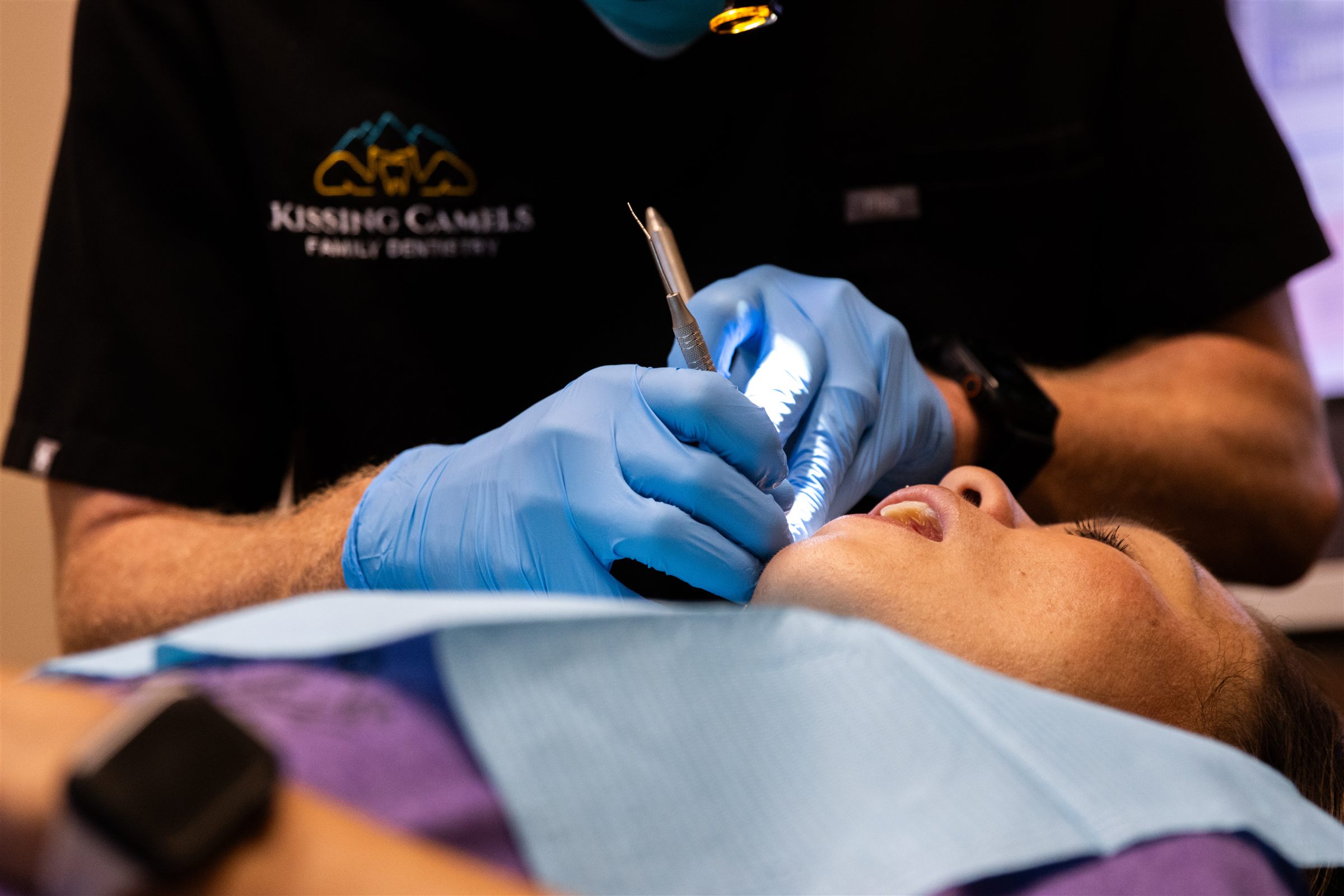
Once you have had a filling, crown, veneer, or implant, you naturally hope it stays in good shape. These treatments take time and effort, and they are made from durable materials, yet their staying power depends a great deal on what you do afterward. At Kissing Camels Family Dentistry, we see protecting your restorations as part of the job, right alongside placing them carefully. The habits below can help.
Everyday chewing is something restorations are designed to handle, but they have limits. Neglect can lead to chips, cracks, thinning, or early failure, and that often means more appointments and more expense. Fortunately, the routines that keep them safe are easy to follow.
Cleanliness is the starting point. Use a soft brush and fluoride toothpaste morning and night, and floss each day to clear plaque and debris from around your dental work.
Why it matters: When plaque piles up, decay and gum disease can follow, and both undermine the teeth and tissue holding your restorations in place.
Certain whitening or tartar-control formulas contain gritty particles. Over time those can dull or scratch crowns, veneers, and tooth-colored fillings, so a non-abrasive paste is the safer pick.
Ordinary meals are no problem, but excessive force or very gummy foods can cause harm. Try to steer clear of:
Tip: Slice firm foods like apples or crusty bread into bite-size pieces so your teeth do less work.
Bruxism is the term for grinding or clenching, and lots of people do it while asleep without knowing. The pressure is heavy enough to wear down both natural teeth and restorations. A custom night guard can cushion that force, and you can ask our team about one.
At checkups we examine your restorations, clean away buildup that home care misses, and spot the first hints of wear while they are still minor. Most patients do well seeing us about twice a year, and we will tell you if you need more frequent visits.
Anyone who plays contact sports, or who could take a blow to the face, should wear a mouthguard. A custom fit generally offers better coverage than one from a store shelf.
Tobacco can darken dental work, encourage gum disease, and slow the healing process after treatment such as implant surgery. Giving it up is good for your restorations and for your health overall.
Restorations may hold up against stains better than natural enamel, yet they can still change color. Coffee, tea, red wine, and dark berries are common culprits. Drinking water afterward and brushing when possible will help.
No single number applies to everyone. The type of restoration, the materials, the way you bite, your daily habits, and your upkeep all play a part. Even well-made work may need repair or replacement someday, and we will point out any signs of wear during your checkups. To learn what to expect for your own treatment, just ask us.
Preventive, cosmetic, and restorative care are all part of what we do, and we choose techniques and materials with durability in mind. When treatment ends, our support continues, and we are glad to share personal advice for looking after your work at home.
A strong smile is easier to keep when you stay on top of routine care. Reach out to Kissing Camels Family Dentistry to set up a checkup, and let us help you protect the dental work you have.