3470 Centennial Blvd, Suite 200
Colorado Springs, CO 80907
Se habla español

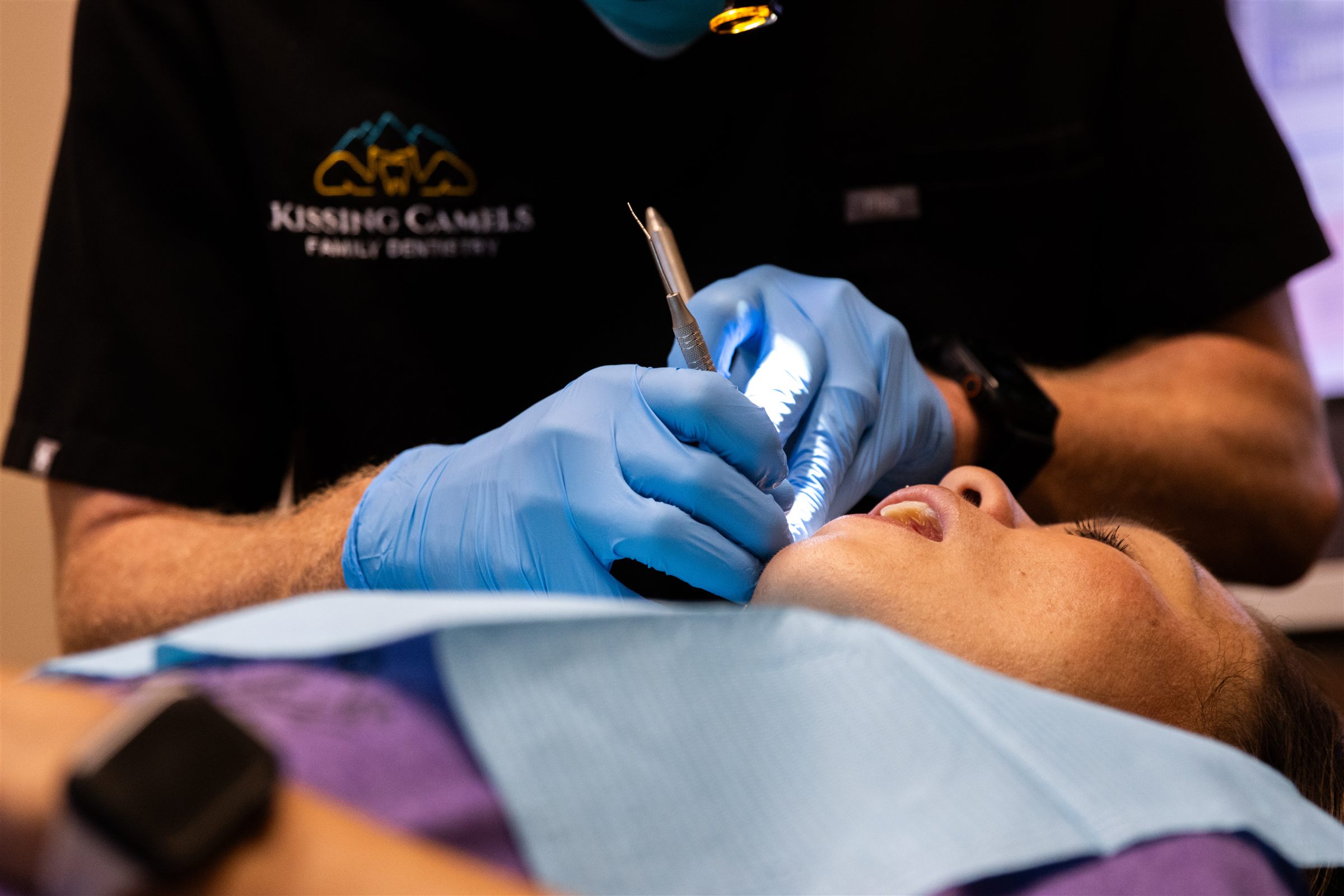
Gum disease, sometimes called periodontal disease, affects a large share of adults, and it is a major reason people lose teeth later in life. The tricky part is that it often develops quietly. Many people feel fine until the problem is well underway. At Kissing Camels Family Dentistry, our team believes that knowing what to look for is one of the best defenses you have, so we want to walk Colorado Springs families through the early warning signs.
Gum disease is a bacterial infection that involves the soft tissue and bone holding your teeth in place. The first stage is gingivitis, when the gums become irritated and inflamed. At this point the damage can usually be turned around with better home care and a professional cleaning.
When gingivitis is ignored, it can advance to periodontitis. That stage can break down gum tissue and the jawbone beneath it, and the harm may not be reversible. The encouraging news is that gum disease is largely preventable, and it responds best when it is found early. Routine exams and cleanings give us the chance to spot trouble before you ever notice it yourself.
Some of these signals are easy to miss at first, which is one reason regular dental visits matter so much. Here are the changes we most often ask patients about.
Bleeding while you brush or floss is frequently the first clue. Healthy gums do not normally bleed with ordinary cleaning, so pink in the sink is worth mentioning to us.
Gums that look dark red, feel swollen, or are tender to the touch are often inflamed by bacteria. Healthy gum tissue is generally a soft pink and feels firm.
If you have a lingering bad taste or odor that brushing does not fix, bacteria along the gumline may be responsible. Many people first suspect gum trouble because of this symptom.
Recession exposes more of each tooth, including the root surface, and can make teeth feel sensitive. If your teeth seem longer than they used to, have us take a look.
As the supporting bone and tissue weaken, teeth can begin to wiggle or drift. Loose teeth in an adult should always be evaluated promptly, since waiting can lead to losing the tooth.
Soreness while biting down can point to infection or swelling around the teeth. A dentist can work out the cause and suggest the right treatment.
If your teeth no longer seem to meet the way they once did, bone loss from gum disease may be shifting things. Mention any change like this at your next visit, or sooner.
Gingivitis is the reversible starting point. With thorough brushing, flossing, and a professional cleaning, the gums can often heal. Left alone, though, the infection can move deeper and destroy the structures that anchor your teeth. Advanced disease can lead to tooth loss and may be linked with broader health concerns. The sooner we find it, the simpler treatment tends to be, which is why we encourage you not to put off an appointment when something seems off.
Prevention comes down to consistent habits and good partnership with your dental team.
Spotting gum disease early gives you the best chance of keeping your natural teeth healthy for the long haul. If any of the signs above sound familiar, we invite you to call Kissing Camels Family Dentistry and schedule an exam so our team can check your gums and talk through your options.