3470 Centennial Blvd, Suite 200
Colorado Springs, CO 80907
Se habla español

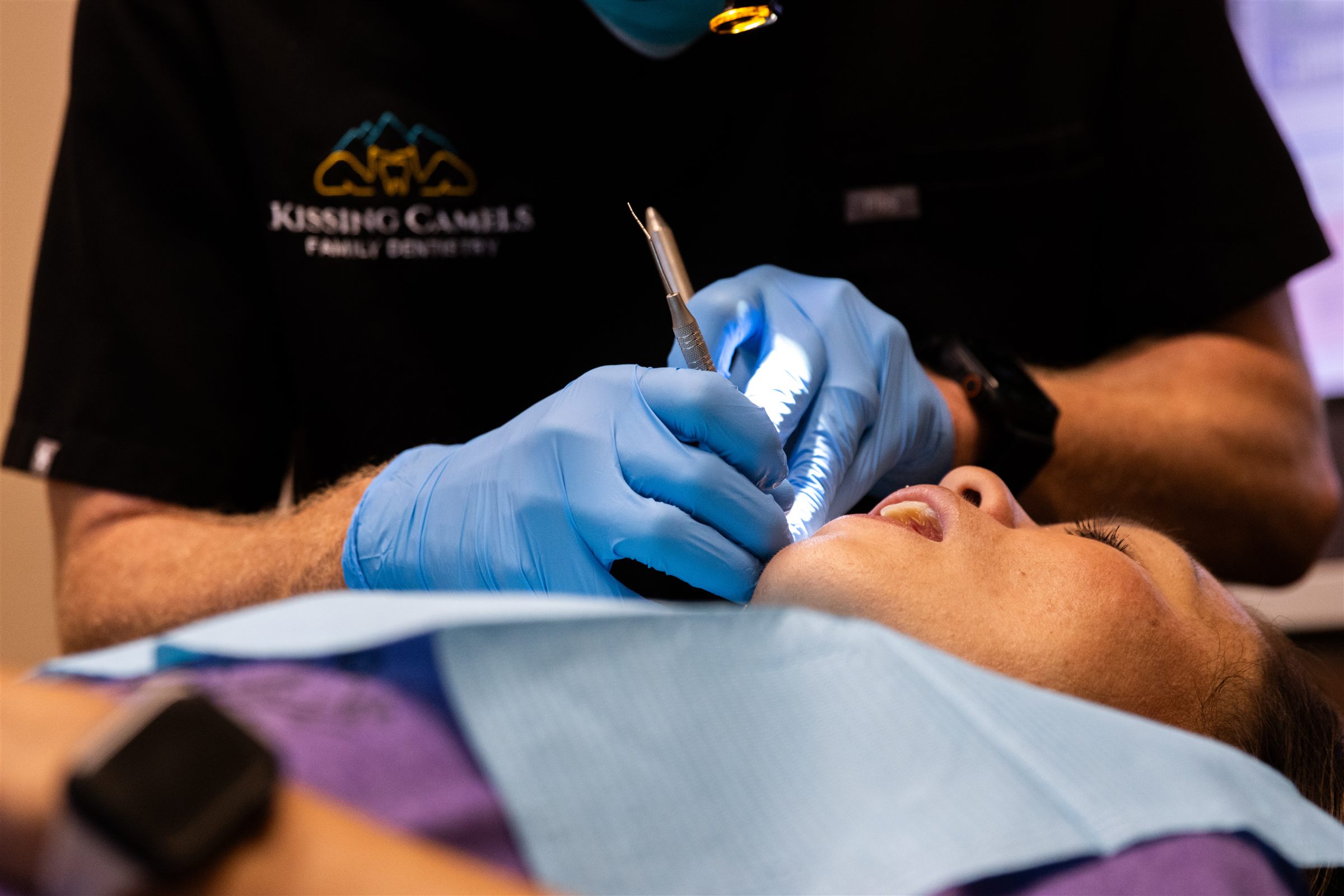
A sudden problem with your mouth is stressful, and in the moment it is tough to say whether you need help right now or can wait for a regular appointment. Making the right call protects your teeth and gets you comfortable sooner. At Kissing Camels Family Dentistry in Colorado Springs, we know that trouble rarely arrives at a convenient hour. This guide walks through how to recognize an urgent situation, what you can do at home in the meantime, and how our team can help.
Dental emergencies are alarming, but knowing the signals lets you respond quickly and give your teeth the best chance. Common signs include intense or throbbing pain, a tooth that has become loose, bleeding that does not ease up, swelling in the gums or face, and trouble chewing or swallowing. If you notice any of these, reach out to a dental office right away. Waiting often lets a small issue grow into a larger one, and some problems can cause lasting damage if they are ignored. Because emergencies can strike at any time of day, it helps to keep your dentist's contact details somewhere easy to find.
Take a moment to size up what is happening. Ask yourself a few plain questions. Is the pain constant or does it come and go? Is it getting worse? Is it keeping you from eating, sleeping, or working? A dull twinge that shows up once after a cold drink is different from pain that wakes you at night. Swelling, fever, or a bad taste in the mouth can point to infection, and those need prompt attention. A problem that keeps returning or steadily worsens deserves a faster response than one that showed up once and faded. When you are unsure, calling the office is always a safe choice, and our team can help you decide on the next step.
It is tempting to wait it out or try a home fix, but guessing can cost you. Delays and do-it-yourself attempts can turn a repairable tooth into one that cannot be saved. Trained professionals have the tools, imaging, and experience to find the real source of the trouble, which is not always where the pain seems to be. Situations such as a knocked-out tooth, heavy bleeding, significant facial swelling, or an injury to the jaw call for immediate help. If the swelling affects your breathing or swallowing, or you cannot control the bleeding, go to an emergency room. For everything else in your mouth, a call to our office is the place to start.
A little preparation makes an urgent appointment smoother. Have a short list of your symptoms and when they began, along with any medications you take and any health conditions or allergies. Let us know about recent changes to your medical history. If a tooth or a piece of a tooth came out, bring it with you. Write down any questions you have so nothing slips your mind once you are in the chair. If you feel nervous, tell us. Sharing your worries helps our team explain each step and keep you at ease. Regular checkups also lower the odds of surprises, since many problems are found and handled long before they turn painful.
Every situation is different, and only an exam can tell us what your tooth needs. Still, a few basics are helpful to know in advance. For a toothache, rinsing gently with warm water and taking an over-the-counter pain reliever as directed on the label can offer short-term comfort until you are seen. For a tooth that has been knocked out, time matters. Handle it by the crown rather than the root, rinse it lightly if dirty, and try to keep it moist, then get to a dentist quickly, since a tooth seen fast has a better chance of being saved. For a cracked or broken tooth, rinse with warm water and hold a cold compress against the cheek to keep swelling down. These steps are only first aid. Have the tooth evaluated so we can decide whether it needs a filling, a crown, a root canal, or another treatment.
Some soreness after treatment is normal, and it can usually be handled well. We will tell you what to expect and which medications are appropriate for you, and we ask that you follow those directions closely. Cold compresses, soft foods, and gentle brushing around the area can all help. Be sure to tell us about any allergies or other medicines you use so we can recommend the safest option. If pain grows worse instead of better, or you notice swelling, fever, or anything unexpected, let us know rather than waiting. Following the aftercare plan is one of the best ways to heal fully and avoid setbacks.
A dental emergency is upsetting, but you do not need to face it alone. Spotting the symptoms, judging how serious they are, and calling a professional early all help you get relief sooner and protect your smile. If you or someone in your family has a sudden dental problem, please call Kissing Camels Family Dentistry and let our team find the right solution for you.