3470 Centennial Blvd, Suite 200
Colorado Springs, CO 80907
Se habla español

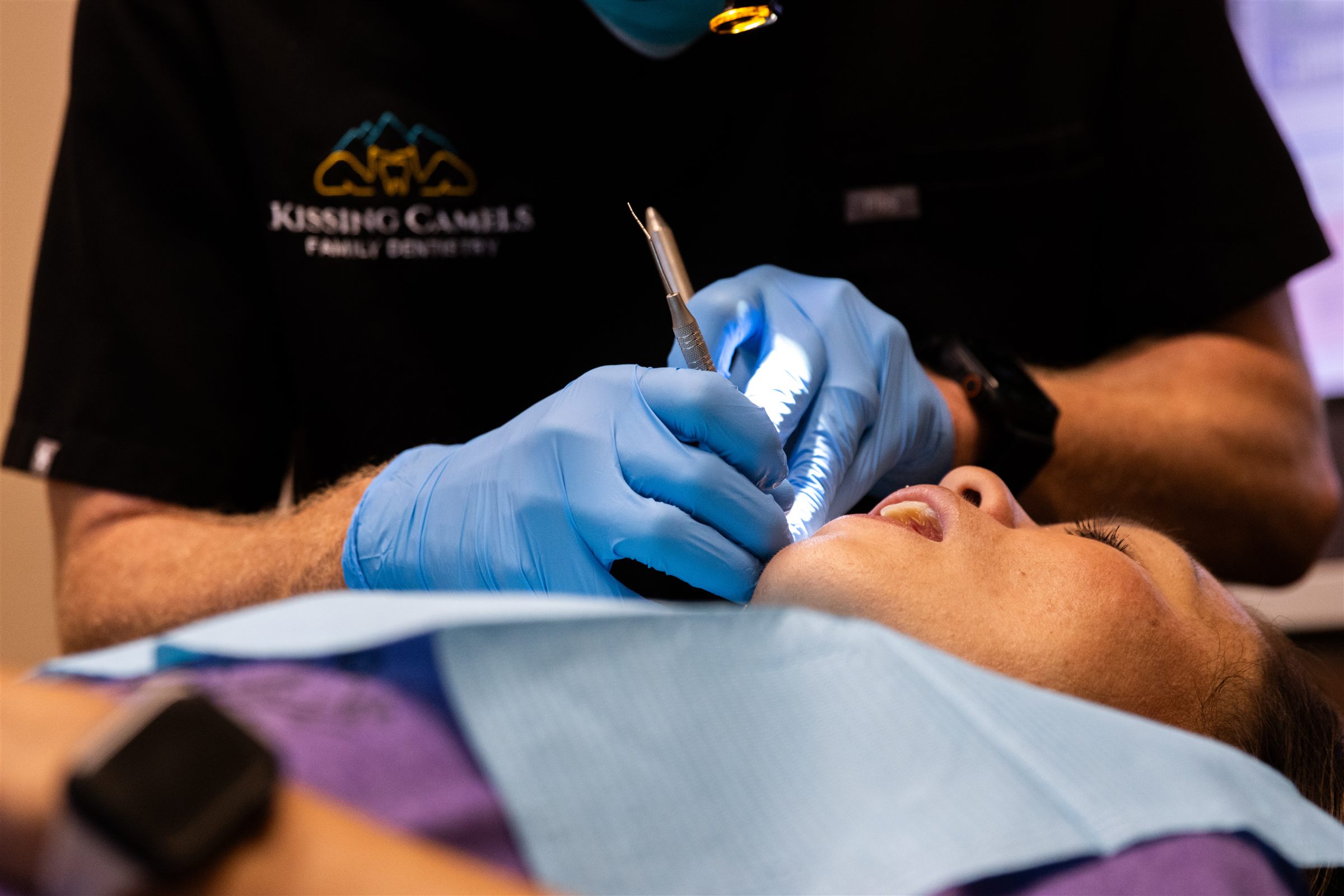
When something goes wrong in your mouth without warning, it is easy to freeze, especially if you are not sure what to do next. Families in Colorado Springs want a dentist they can rely on, and part of that trust is knowing which problems cannot wait. This post explains what a dental emergency looks like, how to prepare, and how to respond so you can act with confidence if it ever happens to you.
A dental emergency is any situation where you need care from a dental professional quickly. Examples include a severe toothache, swelling in the face or gums, gums that bleed heavily, and a tooth that has been knocked out. These events can feel scary, but the key is to notice them and get help promptly. Call your dentist first. If you cannot reach a dental office and the problem is serious, or if you have trouble breathing or swallowing, go to an emergency room. Putting off care can allow infection or damage to spread, which often means longer and more involved treatment later. Staying informed helps you avoid needless pain.
A few simple steps can improve the visit. Write down your symptoms, when they started, and what makes them better or worse. Gather your health history, including medications and allergies, because those details shape how we treat you safely. If you have dental coverage, it is a good idea to have your card handy, and our team can help verify your benefits when you call. Bring any tooth fragments with you. Avoid a long internet search that leaves you more worried than before. It is better to describe your situation to a professional who can guide you directly.
Emergencies come in many forms. Some of the most frequent are broken or chipped teeth, lost fillings or crowns, knocked-out teeth, and abscesses, which are pockets of infection near a tooth or gum. Left alone, these problems can lead to spreading infection, swelling, and more serious health concerns. The good news is that timely care usually resolves them and limits further harm. Depending on the cause, treatment might mean repairing or replacing a restoration, protecting a damaged tooth, addressing an infection, or in some cases removing a tooth that cannot be saved. Our doctors will examine you, explain what they find, and discuss the options before anything begins.
Routine visits for checkups and cleanings help catch trouble early, and most people benefit from seeing the dentist on a regular schedule. But emergencies do not follow a calendar, and the stress they cause is real. A few techniques can help. Slow, deep breaths steady your nerves. Focusing on calming music or another soothing activity can take your mind off the discomfort while you wait to be seen. A clear head also helps you make good decisions. If longer or more involved treatment makes you nervous, our office offers sedation options to help patients stay comfortable. Just ask us what might be right for you.
Misinformation online makes it harder to know what is serious. One popular myth is that you only need to worry when the pain is severe. In reality, a problem can be urgent even with little pain. A knock to the mouth or jaw, an infection that is quietly growing, or a cracked tooth can all need attention before they hurt. Another myth is that an emergency will settle on its own. Sometimes the pain fades because a nerve has been damaged, while the underlying problem continues. If you are unsure, the safest move is to have your dentist take a look rather than assume everything is fine.
Preventive care is your best defense. During routine visits, your dentist can spot early cavities, worn fillings, and gum concerns before they become painful surprises, and treating them early is often simpler. Professional cleanings remove plaque and tartar that brushing misses, lowering your risk of decay and gum disease. Skipping visits lets problems such as decay and persistent bad breath build up. Keeping a good relationship with your dental team and staying on schedule supports your teeth and your overall health. If it has been a while since your last visit, this is a good time to book one.
Emergencies can be serious, and the best thing you can do is respond quickly and get expert care. Knowing the signs, preparing your information, and keeping up with regular visits will help you and your family stay ahead of trouble. If you are dealing with a dental problem right now, or you want to schedule a checkup, please reach out to Kissing Camels Family Dentistry and our team will take care of you.