3470 Centennial Blvd, Suite 200
Colorado Springs, CO 80907
Se habla español

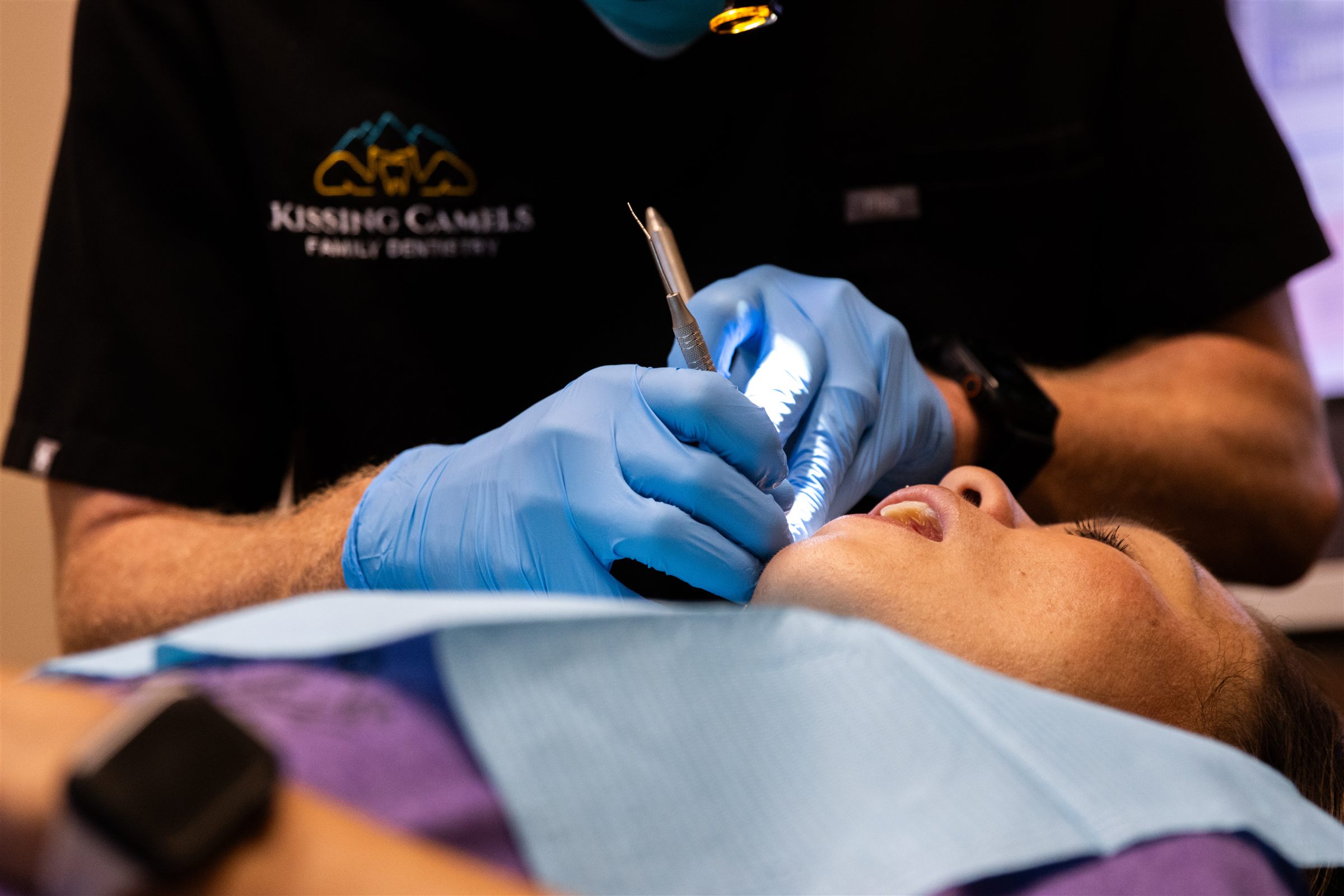
Wisdom teeth are the last molars to arrive, usually in the late teens or early twenties. Some people never have trouble with them, but many do. Common reasons for removal include teeth that are stuck beneath the gum (impacted), crowding of nearby teeth, and infection. Taking them out is a routine procedure, and most people recover without much trouble. Still, the decision should follow an exam and an honest talk with your dentist about the benefits and risks. So how do you know if yours are causing problems? Look for these signs.
Pain is the most obvious signal. A wisdom tooth that is pushing against its neighbors or trying to break through the gum can cause aching in the back of the jaw. That discomfort can spread, showing up as pressure near the sinuses, soreness in other teeth, or even headaches. If this sounds like you, have Dr. Boals take a look. Not every wisdom tooth has to go, but when one is causing ongoing trouble, removing it can bring real relief. There is no reason to put up with the pain in silence, so book a visit soon.
A stiff or sore jaw can make meals unpleasant. Erupting wisdom teeth may shift the teeth in front of them, which can lead to biting your cheek or tongue. Swollen gum tissue around a partly emerged tooth can also make chewing or opening wide uncomfortable. If eating has become a challenge, a dentist can examine the area, take images, and explain your choices. Sometimes removal is the answer, and sometimes closer monitoring is enough.
If you are unsure about your wisdom teeth, we would be glad to check them. Kissing Camels Family Dentistry serves patients of all ages, and our team will answer your questions clearly. Our office can also help you understand your insurance benefits, so give us a call to schedule.