3470 Centennial Blvd, Suite 200
Colorado Springs, CO 80907
Se habla español

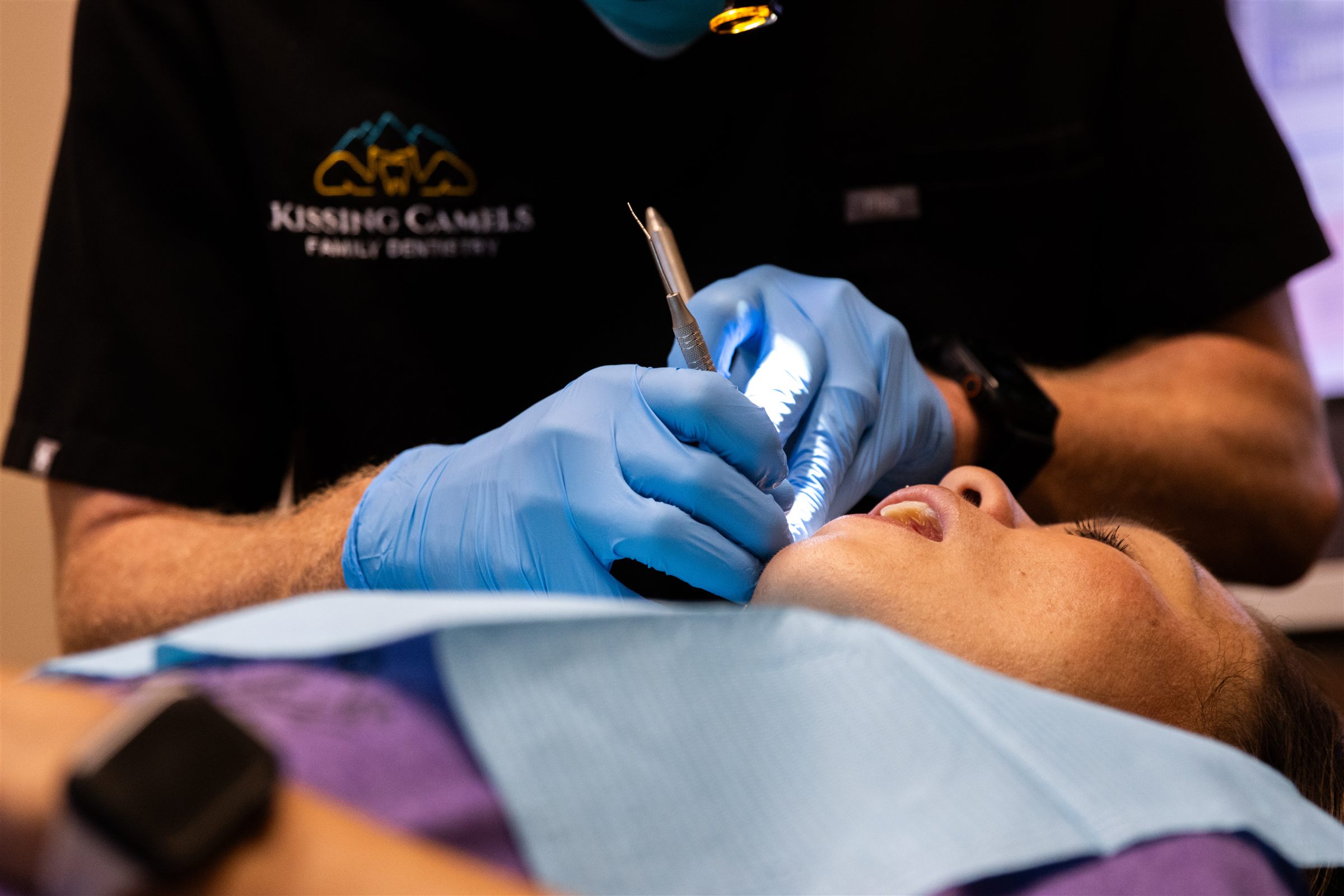
Crowns and veneers can look like similar treatments. Both improve how teeth look and work, and both can address problems ranging from small chips to more serious damage. Even so, they are different, and knowing how helps you make a good decision.
The biggest difference is coverage. A veneer is bonded to the front surface of a tooth, while a crown wraps around the whole tooth like a cap. Materials differ too. Crowns are usually built from tough materials such as porcelain or metal alloys and tend to be thicker than veneers. Crowns can be better for certain kinds of damage or decay, but many other factors matter. Your dentist will recommend what suits your tooth and your goals.
A dental crown restores a damaged or decayed tooth by covering its entire surface. Because of this, more of the natural tooth needs to be reshaped before the crown is placed. Crowns are often used for teeth weakened by large areas of decay, cracks, or fractures. If a tooth needs a crown, your dentist first removes the damaged portion and, if needed, rebuilds part of the tooth so it can support the crown. Crowns are a dependable, long-lasting way to repair and protect a damaged tooth.
Veneers are a popular cosmetic option for improving how teeth look. A custom-made shell is placed over the front of the tooth and held in place with a special bonding resin. Before that, Dr. Cody Boals typically reshapes a very thin layer of enamel on the front surface to make room for the veneer. It may sound like a lot, but most of your natural tooth stays in place. Veneers can give you a bright, even smile, and they are a great choice if the main concern is the look of your teeth.
We know your smile is important. Our practice offers a broad range of services to keep your teeth healthy and looking their best. If one tooth or several need attention, our dentists can help you decide whether porcelain veneers, crowns, or another treatment fits. Contact us to schedule a consultation, and we will gladly answer your questions.