3470 Centennial Blvd, Suite 200
Colorado Springs, CO 80907
Se habla español

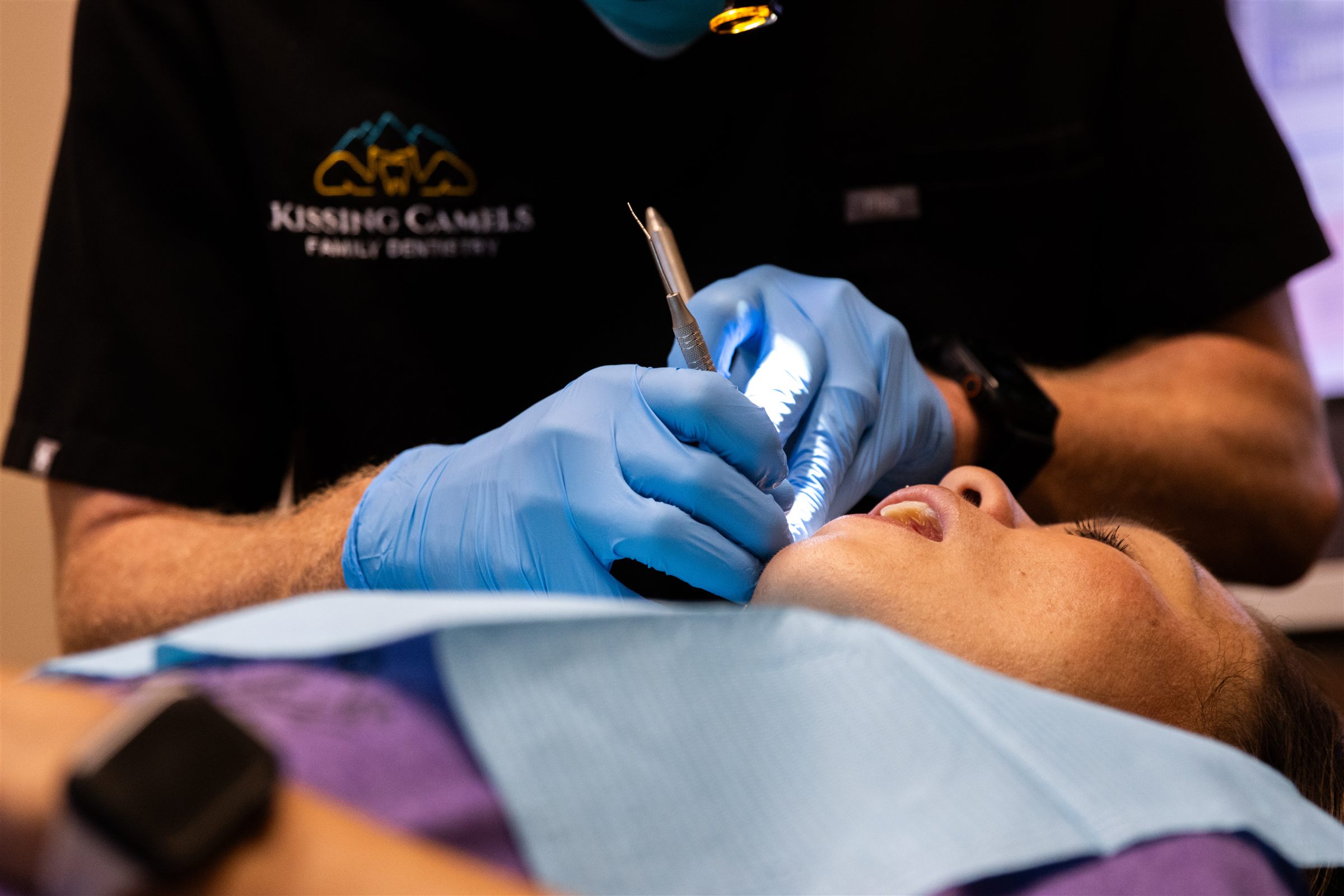
Dental anxiety is common, and for some people it is strong enough that they put off care altogether, which can hurt their oral health over time. Sedation dentistry is designed to help anxious patients relax, and it can also make longer or more involved treatments easier to handle. Here is what to understand before you look into sedation.
Different levels of sedation exist, and the right one depends on your needs and the treatment planned.
Light sedation, often achieved with nitrous oxide, helps you feel calm and comfortable while you stay awake for the procedure.
With moderate sedation you feel deeply relaxed. You may be drowsy and not fully aware of what is happening, but you can still respond when spoken to.
General anesthesia puts you fully to sleep. Since you are unconscious, breathing must be supported. It is generally reserved for oral surgery and more complex cases.
Sedation can be delivered in several ways.
A pill taken before your visit can help you relax. Oral sedatives do not numb pain, so local anesthesia is still needed to numb the treatment area.
Nitrous oxide, sometimes called laughing gas, is breathed in and produces a relaxed feeling while you remain awake. It does not remove pain by itself, so you may still receive local anesthetic.
With IV sedation, medication goes directly into a vein. It is used less often than the other methods.
One major benefit is that time often seems to pass quickly. Even a long appointment can feel short, which makes sedation helpful for extensive work such as full rebuilds or smile makeovers. When patients can rest comfortably in the chair for longer, treatment that would take many visits may be completed in fewer.
Sedation can also help people overcome fear and anxiety so they can keep up with routine exams. That means patients with strong dental phobias can get the care they need instead of avoiding problems until they become serious.
For some patients with special needs, such as certain developmental conditions, sedation can help keep visits calm and safe.
Sedation may be considered for people who have:
Sedation is not suitable for everyone. Your dentist must first consider your physical and mental health, review your medical history, and possibly speak with your physician before recommending it. If upcoming appointments make you nervous, talk to us about which options may be appropriate. Contact Kissing Camels Family Dentistry to schedule a visit and discuss your comfort.